
Inconsistent handling on track? The solution lies in your suspension setup.
A proper race car suspension starts with the softest shock settings and gradually increases stiffness to balance weight transfer and tire grip. This method uses a systematic approach for corner entry, mid-corner, and exit, preventing common issues like packing down and revealing the car’s natural balance.
- Begin with the softest shock settings and increase stiffness gradually until the car feels stable, avoiding “packing down” that kills compliance and grip.
- Adjust for track surface: use firmer setups on smooth circuits and softer on rough tracks; for drag racing, target 35-40% spring compression on slicks and 60-75% on radials.
- Implement simple data collection: attach zip ties to shock shafts to detect bottoming out and maintain a detailed notebook of all setup changes and outcomes.
Step-by-Step Suspension Setup Process for Optimal Handling
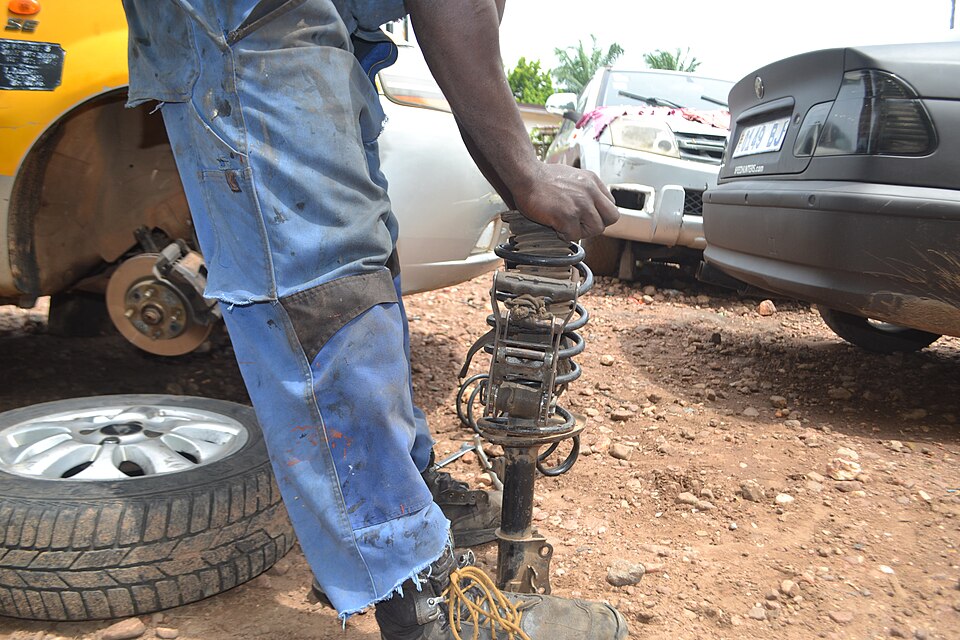
Achieving optimal handling requires a disciplined, repeatable process. The core philosophy is to start with the softest possible settings and incrementally increase stiffness while monitoring the car’s behavior. This approach prevents masking underlying issues and allows you to identify precisely which adjustments yield improvements.
The process respects the interconnected nature of front and rear suspension—changes in one area affect the entire car’s balance. A systematic method that addresses corner entry, mid-corner, and exit separately yields the best results.
Start with the Softest Settings: The Foundation of a Balanced Setup
The initial setup phase is critical and often overlooked. Starting with the softest shock settings establishes a baseline that reveals the car’s natural handling characteristics without artificial stabilization from damping. Here is the step-by-step procedure:
- Locate the softest click settings on all shock absorbers—both compression (bump) and rebound adjustments. Set each adjuster to its minimum stiffness position.
- If your car uses adjustable springs or coilovers, set them to the softest recommended rate for your weight class and track type.
- Ensure anti-roll bars are set to their minimum effective diameter or softest blade configuration.
- Perform a visual inspection: verify adequate suspension travel clearance, proper ride height, and correct tire pressures.
- Complete 5-10 laps at a consistent pace, focusing on driver feedback rather than lap times. Note any vague handling sensations, areas of understeer or oversteer, and how the car reacts to curb impacts.
Starting soft allows the suspension to use its full travel range. This maximizes tire contact on uneven surfaces and prevents the shocks from becoming the primary source of stability, which can hide spring or geometry problems. According to Penske Racing Shocks, the softest settings that prevent bottoming out are ideal, with dampers and sway bars used for fine-tuning rather than fundamental balance correction.
Systematic Corner Approach: Entry, Mid-Corner, and Exit Adjustments
Handling issues manifest differently in each corner phase, so your tuning must be equally precise. Break down every lap into three segments and address each with specific adjustments.
Corner Entry (Braking and Turn-in): This phase is dominated by front suspension behavior. Understeer on entry typically indicates insufficient front grip, which can be caused by overly stiff front springs, excessive front anti-roll bar, or inadequate caster.
To correct entry understeer, consider reducing front spring rate by 5-10% or softening the front anti-roll bar by one blade setting. Increasing positive caster beyond 6 degrees can also improve turn-in feel and dynamic camber gain, as noted by Atomic Autosports and Ridetech.
Mid-Corner (Steady-State): Once the car is turned, the goal is maximum lateral grip. Mid-corner understeer often stems from excessive front roll resistance or insufficient rear roll stiffness.
Adjustments here involve balancing front and rear spring rates: a common rule is to target a higher rear ride frequency than front to help the rear “catch up” over bumps. If the car feels loose in mid-corner, stiffen the rear springs or soften the front springs.
Corner Exit (Acceleration): Exit traction depends on rear suspension ability to put power down without excessive wheelspin. Oversteer on exit suggests the rear suspension is too soft or the rear anti-roll bar is too stiff, causing the inside rear tire to lose contact.
Solutions include increasing rear spring rate, softening the rear anti-roll bar, or adjusting shock rebound to control weight transfer rates. Low-speed rebound tuning is particularly effective here—slower rebound allows more weight to transfer to the rear, improving traction.
Ride Frequency Balance: Setting Front vs. Rear Stiffness
Ride frequency—the natural oscillation rate of the suspension—governs how the car reacts to bumps and transitions. A balanced setup typically features a higher rear ride frequency than front.
This means the rear suspension is slightly stiffer in terms of cycles per second (Hz). The reason: the rear wheels encounter bumps later than the front, so a higher frequency allows the rear to “catch up” and maintain consistent contact.
Achieving this balance requires careful spring rate selection. Racing cars commonly use spring rates 50% stiffer than stock, targeting suspension frequencies between 2.0 and 2.8 Hz. However, the exact split depends on the vehicle’s weight distribution and track characteristics.
For a front-engine car, a typical front-to-rear frequency ratio might be 1:1.1 to 1:1.2. For mid-engine cars, the distribution is more even.
Remember that changing front springs affects rear behavior due to weight transfer. If you stiffen the front, you increase front roll resistance, which can cause the rear to become more loaded and potentially oversteer. Always test changes incrementally and observe the whole-car effect.
Avoiding Common Pitfalls: Packing Down and Instability
Two common setup errors can ruin handling: packing down and excessive stiffness that leads to instability.
Packing Down occurs when the shock does not extend fully after compression, often due to overly stiff rebound damping or insufficient low-speed tuning. Symptoms include a “bouncy” ride, loss of grip on successive bumps, and harsh impacts.
To avoid packing down, ensure your low-speed rebound settings are soft enough to allow full extension between bumps. A good starting point is to set rebound 2-3 clicks softer than compression.
Instability from Over-Stiffening happens when you increase settings too aggressively. Signs include twitchiness, lack of compliance over small bumps, and poor tire contact. The car may feel “nervous” or unpredictable.
The remedy is to back off stiffness by 5-10% and retest. Remember the golden rule: start soft and increase only until the car feels stable. There is no benefit to making settings stiffer than necessary.
A practical check: after a session, inspect the shock shafts. If they show signs of scraping or are not clean, you may be bottoming out—increase ride height or soften compression. If the shafts are coated with dirt from repeated packing, reduce rebound stiffness.
How Do Track Conditions Change Your Suspension Settings?
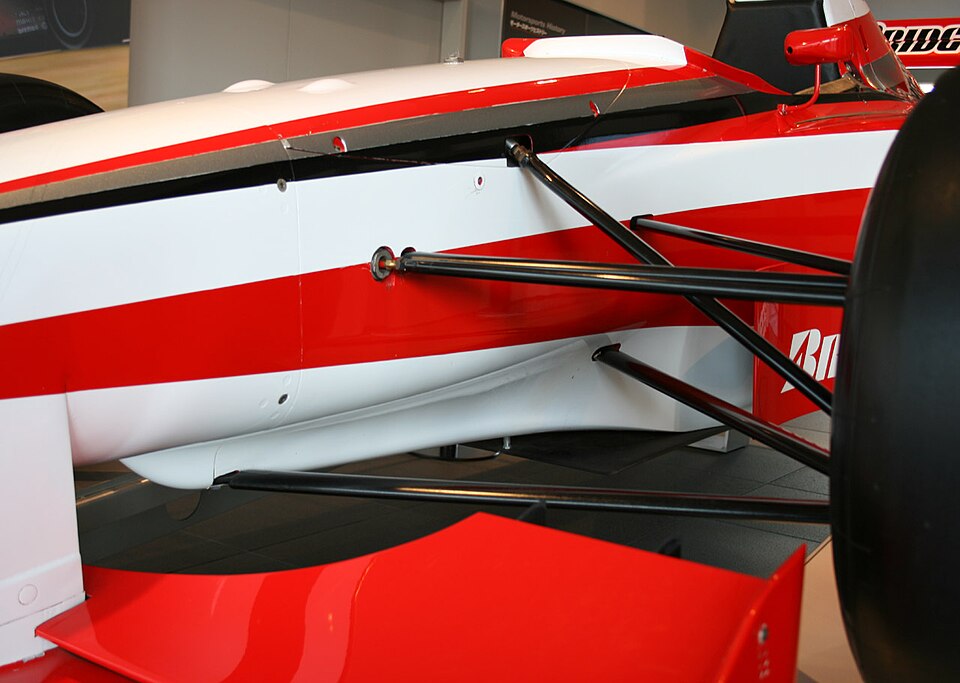
Track surface characteristics dictate your baseline setup. Smooth, purpose-built circuits like Silverstone or Spa allow firmer settings, while rough street circuits or bumpy club tracks demand softer compliance. The goal is to maintain consistent tire contact regardless of surface irregularities.
Surface Type Impact: Smooth vs. Rough Track Setups
On smooth tracks, the suspension can be tuned for maximum mechanical grip and quick response. Stiffer springs (up to 50% over stock) and correspondingly stiffer damping provide precise control and reduce body roll, allowing the car to change direction rapidly. Camber and toe settings can be optimized for maximum cornering forces without worrying about compliance losses.
On rough tracks, softer springs and damping are essential. A reduction of 10-15% in spring rates compared to smooth-track settings helps the tires stay in contact with the surface over bumps.
Softer rebound settings allow the wheels to follow undulations without packing. However, too soft can cause excessive body roll; the key is finding the softest setting that still controls roll adequately.
For example, a technical street circuit like Monaco requires a much softer setup than a high-speed oval like Monza. On bumpy surfaces, also consider increasing ride height slightly to avoid bottoming out. Always test on the actual track surface whenever possible, as simulator data may not capture every bump.
Drag Racing Specifics: Ride Height Percentages for Slicks vs. Radials
Drag racing imposes unique demands due to extreme acceleration and weight transfer. The suspension must facilitate maximum traction at launch while remaining stable down the track. The key metric is spring compression at the rear—the amount the suspension squats under static weight versus under full load.
For drag racing slicks, which have stiff sidewalls and high traction, the target is 35-40% spring compression. This means the spring compresses to 35-40% of its free length under the car’s weight. This relatively low compression allows the suspension to be firm enough to resist excessive squat while still providing some compliance.
For radial tires, which have softer sidewalls and more flex, the target increases to 60-75% compression. Radials need more travel to manage sidewall movement and prevent the tire from unloading violently. The higher compression effectively makes the suspension softer, accommodating the radial’s characteristics.
These percentages are starting points. Fine-tune based on track conditions: a rough drag strip may require slightly softer settings, while a smooth, well-prepped track can handle firmer rates. Always verify with data collection—use the zip tie method to ensure shocks do not bottom out at launch.
| Tire Type | Recommended Spring Compression | Reason |
|---|---|---|
| Drag Slicks | 35-40% | Maximizes weight transfer for launch traction |
| Radial Tires | 60-75% | Allows more suspension travel to control sidewall flex |
Data Collection Techniques for Suspension Tuning
Effective suspension tuning relies on data, not just seat-of-the-pants feeling. Simple, low-cost methods provide actionable insights without expensive data acquisition systems.
Essential Data to Collect: What to Monitor on Track
Begin with a basic notebook or spreadsheet. Record every detail for each session:
- Setup specifications: Spring rates (in lbs or N/mm), shock click positions (compression and rebound), anti-roll bar settings, ride height measurements, tire pressures.
- Track conditions: Ambient temperature, track temperature, weather (dry/wet), surface condition (clean/greasy).
- Performance metrics: Lap times, sector times, driver feedback on handling balance (understeer/oversteer) by corner.
- Observations: Tire temperatures (if available), visual tire wear patterns, any bottoming or packing incidents.
This log becomes your knowledge base. Over time, patterns emerge—for instance, “softer rear springs improved exit grip at Turn 3 but increased oversteer at Turn 7.” Without consistent logging, you are guessing.
Interpreting Shock Data: Reading Zip Ties and Shaft Movement
The zip tie method is a classic, reliable way to detect bottoming and packing. Here’s how to implement it:
- Cut a zip tie to a length that will fit around the shock shaft with some overlap.
- Attach the zip tie at a known reference point on the shaft—typically where the shaft emerges from the shock body.
- After a session, inspect the zip tie. If it is torn, shredded, or marked past a certain point, the shock bottomed out during that lap. Bottoming means the piston reached the end of its travel, causing a harsh impact and loss of control.
- If the zip tie remains intact but the shaft is not fully extended (you can see a clean section that should be exposed), the shock may be packing down—failing to extend fully between bumps.
Decision flowchart:
- Zip tie torn → Increase ride height or soften compression damping.
- Zip tie intact but shaft not fully extended → Soften low-speed rebound or reduce damping overall.
- No marks on zip tie and shaft fully extended → Settings are likely within safe travel limits.
Repeat this test after every adjustment to verify you haven’t introduced new issues.
Building a Setup Log: Recording Changes and Outcomes
A structured log transforms raw data into actionable knowledge. Use a simple table format:
| Date | Track | Weather | Front Spring | Rear Spring | Front Rebound | Rear Rebound | ARB Front | ARB Rear | Lap Time | Driver Feedback |
|——|——-|———|————-|————-|—————|————–|———–|———-|———-|—————-|
Include notes on what changed from the previous session and the observed effect. For example: “Increased front spring rate from 200 to 220 lbs, added 1 click front rebound. Result: Lap time improved 0.3s, understeer reduced on entry, but mid-corner felt slightly twitchy.”
Over a season, this log reveals which adjustments work for specific tracks and conditions. It also helps you understand your car’s baseline behavior, making future setups faster and more accurate.
Inconsistent handling often stems from overcomplicating the setup. Many racers chase complex adjustments, but the biggest gains come from starting soft and letting the car’s natural balance emerge—this reveals what truly needs tuning, not what feels good initially. At your next test day, set all shocks to their softest, install zip ties, do 5 laps to establish a baseline, then make one small change (e.g., increase front rebound by 2 clicks) and repeat.
Log every change and look for patterns in lap times and driver feedback. For personalized guidance on applying this method to your car, consider a session with a certified driver coach like Sarah Moore, who specializes in racing engineering and talent development through Sarah Moore Racing.
