
Formula 1 test drivers, also known as reserve drivers, spend the majority of their time on simulator development, private track testing, and component evaluation—not racing in Grand Prix weekends. According to Racing News 365 (2025), these drivers dedicate approximately 80% of their work to development tasks, while race drivers focus on qualifying, racing, and media during GP weekends.
The Liam Lawson 2023 substitution for Daniel Ricciardo at Racing Bulls exemplifies how test drivers must be ready to step in at short notice. This role is a critical but often unseen part of F1 team operations, blending engineering feedback with backup racing capability.
- F1 test drivers handle simulator development, pre/in-season track testing, new component evaluation, and emergency race substitution—focusing on technical feedback, not GP weekend racing.
- Pathway requires 40 FIA Super Licence points within three years, typically via feeder series (F4→F2) with €5M+ investment, plus academy placement or sim roles.
- 2025 reserves include Valtteri Bottas (Mercedes), Felipe Drugovich (Aston Martin), and Jack Doohan (Alpine); test roles often serve as long-term technical careers, not direct race seat pipelines.
What Does an F1 Test Driver Actually Do? Core Duties and Differences from Race Drivers
The daily work of an F1 test driver revolves heavily around simulator sessions and controlled track testing. These activities are critical for car development but receive limited time during race weekends. The primary duties include: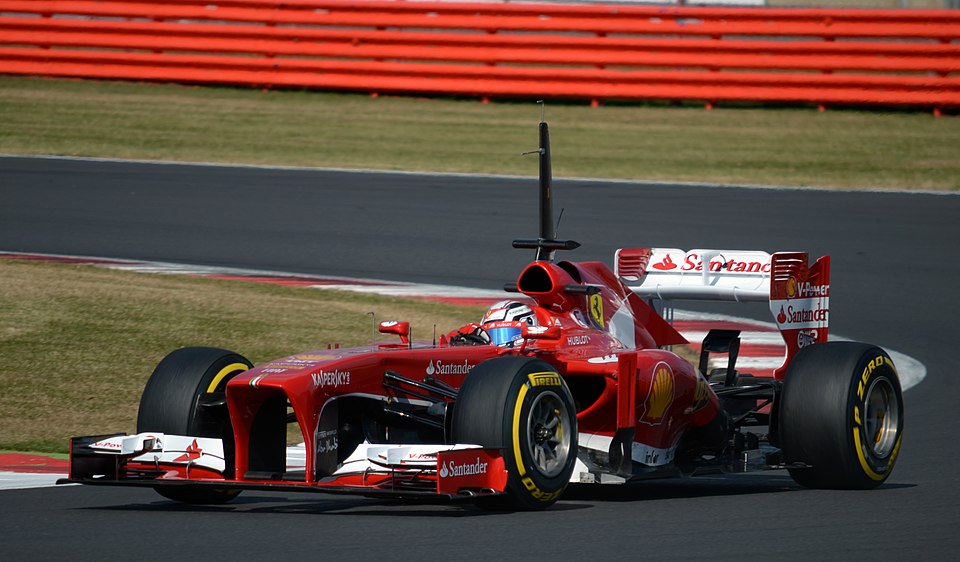 Simulator Development and Pre-Season Testing: The Core Workload
- Simulator work: Running driver-in-loop simulations to test car setups, tire models (critical for tire compound strategy), and aerodynamic configurations.
- Pre-season testing: Private tests conducted before the Grand Prix season begins, where test drivers shake down new cars and trial early-season upgrades.
- In-season testing: Mid-season private tests to evaluate emerging technologies or component updates before they are race-deployed.
- Simulator work: Running driver-in-loop simulations to test car setups, tire models, and aerodynamic configurations. Simulators allow teams to gather data without consuming track time or risking race weekend preparation.
- Pre-season testing: Private tests conducted before the Grand Prix season begins, where test drivers shake down new cars and trial early-season upgrades.
- In-season testing: Mid-season private tests to evaluate emerging technologies or component updates before they are race-deployed.
According to Racing News 365 (2025), test drivers spend roughly 80% of their professional time on these development activities, compared to race drivers who allocate only about 20% to such work due to their packed GP weekend schedules. This time allocation highlights the developmental nature of the role—test drivers are engineers as much as they are drivers, translating lap time sensations into actionable data for the design team.
Component Evaluation and Engineering Feedback: Technical Contributions
Test drivers serve as the vital link between theoretical car improvements and real-world performance. When a team designs a new front wing—one that must adhere to 2026 technical regulation updates—the test driver is often the first to evaluate it on track or in the simulator. Their feedback must be specific, measurable, and immediately useful to engineers.
The process typically involves:
- Installing a prototype component on a test car during a private session.
- Running a prescribed test program (e.g., long runs, qualifying simulations, tire degradation studies).
- Reporting findings on balance, grip, reliability, and driver confidence.
- Recommending adjustments or flagging issues before the component is fitted to a race driver’s car.
This technical partnership means test drivers need strong communication skills and an understanding of vehicle dynamics. Their input directly influences the development path of the car, impacting the race drivers’ performance every weekend. While race drivers provide feedback based on competition conditions, test drivers offer controlled, repeatable data that shapes the car’s evolution over the season.
Race Weekend Coverage: Emergency Substitution and Limited Exposure
Despite their development focus, test drivers must remain race-ready. They attend Grand Prix weekends as reserves, prepared to substitute if a race driver becomes unavailable due to injury, illness, or other circumstances. The 2023 season provided a clear example when Liam Lawson stepped in for the injured Daniel Ricciardo at Racing Bulls, scoring points in several races and demonstrating how a test driver can transition to a race seat under pressure.
However, test drivers rarely receive television exposure during normal GP weekends. They may participate in the first Friday free practice session (FP1) if a team elects to use a third driver, but this opportunity comes at the expense of the race driver’s own practice time.
Consequently, teams use this option sparingly, preferring to give their two race drivers maximum track time. Most test drivers spend race weekends in the garage or simulator room, monitoring data and supporting the race engineers rather than competing on track.
How to Become an F1 Test Driver: Super Licence, Feeder Series, and Academy Pathways
Becoming an F1 test driver requires meeting the same licensing standards as race drivers while building a profile that emphasizes technical feedback over pure race results. The pathway is structured but offers multiple entry points, from traditional feeder series to simulator specialist roles.
The FIA Super Licence: 40-Point Threshold and Three-Year Validity
All F1 drivers, including test and reserve drivers, must hold a valid FIA Super Licence. This is the highest racing licence issued by the Fédération Internationale de l’Automobile. The requirements are strict:
- Age minimum: 18 years old at the time of licence application.
- Points system: Candidates must accumulate 40 championship points within a rolling three-year period.
- Points allocation: Different series award varying points based on final standings. For example, winning the FIA Formula 2 Championship yields 40 points—enough for the full requirement in one season. Winning the FIA Formula 3 Championship awards 25 points. Lower series (F4, regional championships) award fewer points, requiring multiple seasons.
- Other criteria: Successful completion of an FIA theory test, physical fitness assessment, and at least 300 kilometers of running in an F1 car (often achieved through test driver roles themselves).
The three-year validity means drivers must plan their career progression carefully, ensuring they reach the 40-point threshold while still young enough to capitalize on opportunities. According to formula1.com (2025), this system ensures that all F1 participants have proven recent success in competitive series.
Feeder Series Investment: From Karting to F2 with €5M+ Costs
The traditional route to an F1 Super Licence follows a well-established ladder, but the financial commitment is substantial. The progression typically looks like this:
- Karting: Ages 4–10+, foundational vehicle control skills. Top-level karting can cost €50,000–€100,000 annually.
- Formula 4 / Regional series: First step in single-seaters, ages 14–16. Budget: €200,000–€500,000 per season.
- FIA Formula 3: International series, ages 17–18. Budget: €1–2 million per season.
- FIA Formula 2: Final feeder series, ages 18–20+. Budget: €2–3 million per season.
Front Office Sports (2025) estimates the total cost from karting through Formula 2 at €5 million or more, not including unexpected expenses or extended timelines. This financial barrier means many aspiring drivers rely on sponsorships, team academy support, or family funding. For test driver roles specifically, teams may be slightly more flexible on pure race results if a candidate demonstrates exceptional technical feedback skills, but the Super Licence points requirement remains non-negotiable.
Team Academies and Sim Roles: Alternative Entry Points
While the feeder series route is standard, there are alternative pathways into F1 test driver positions:
- Team academies: Programs like the Red Bull Junior Team and Ferrari Driver Academy identify and fund young talent from karting onward. Academy drivers receive coaching, financial support, and direct links to F1 teams. Being part of an academy significantly increases visibility to team principals looking for test drivers.
- Simulator drivers: Some F1 teams hire specialists to work exclusively in simulators, often without a racing background. These roles value deep technical understanding and consistent lap time reproduction. Successful sim drivers can be promoted to full test/reserve positions if they also obtain Super Licence points.
- Engineering background: Drivers with motorsport engineering degrees or experience as race engineers sometimes transition into test roles, combining driving skill with data analysis expertise. Sarah Moore, for example, has moved into driver coaching and engineering through the More Than Equal program, illustrating how technical knowledge complements driving talent.
These alternative routes recognize that test drivers need not be the fastest over a single lap; they must be consistent, analytical, and able to articulate car behavior precisely.
2025 F1 Reserve Driver Lineup: Current Team Allocations
The current structure of F1 reserve drivers varies by team, with some maintaining a single reserve and others employing multiple specialists. The following table reflects the 2025 season allocations according to Racing News 365 (March 2025):
| Team | Reserve Driver(s) | Notes |
|---|---|---|
| Mercedes | Valtteri Bottas | Experienced former race driver, primary substitute |
| Ferrari | Zhou Guanyu, Antonio Giovinazzi | Zhou serves as primary reserve; Giovinazzi focuses on simulator development |
| Aston Martin | Felipe Drugovich, Stoffel Vandoorne, Jak Crawford | Drugovich (F2 champion) as main reserve; Vandoorne (former McLaren driver) sim lead; Crawford junior development |
| McLaren | Pato O’Ward | IndyCar star with F1 testing experience |
| Alpine | Jack Doohan, Ryo Hirakawa, Aron | Doohan (F2 veteran) primary; Hirakawa (Toyota factory driver) sim specialist; third reserve TBC |
| Racing Bulls (AlphaTauri) | Ayumu Iwasa | F2 driver, development focus |
This lineup shows several patterns:
- Multiple reserves: Teams like Aston Martin use a trio to cover different needs—race readiness, simulator work, and long-term development.
- Experienced substitutes: Bottas and Vandoorne provide immediate race-ready backup.
- Young talent: Drugovich, Doohan, Iwasa represent the feeder series pipeline, balancing development duties with the chance to step up.
- Cross-discipline specialists: Hirakawa’s sports car background brings different feedback perspectives.
Teams strategically balance the cost of maintaining reserves against the risk of losing a race driver unexpectedly. Having a ready substitute avoids costly grid penalties and maintains constructors’ championship points.
From Reserve to Race Seat: Strategic Value and Real-World Examples
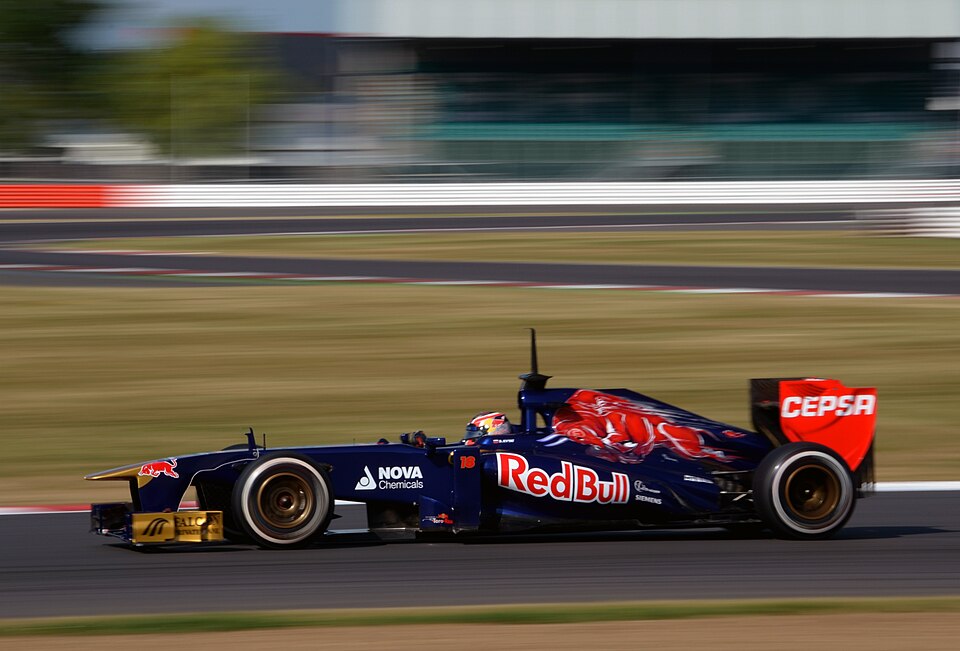
While many test drivers never become full-time race drivers, the role can serve as a direct pipeline when opportunities arise. The strategic value to teams lies in continuous development and operational security.
Liam Lawson’s 2023 Promotion: A Template for Test Driver Advancement
The most recent and clear example of a test driver earning a race seat is Liam Lawson. As Red Bull’s reserve driver, Lawson was called up to Racing Bulls (then AlphaTauri) in 2023 after Daniel Ricciardo suffered a broken hand. Lawson’s performance was impressive:
- He scored points in his debut race at the Dutch Grand Prix.
- He consistently outperformed the car’s expected pace.
- He demonstrated adaptability across circuits and conditions.
Following his successful stand-in period, Lawson was awarded a full-time race seat with Racing Bulls for the 2024 season. This progression illustrates the ideal pathway: serve as a reliable reserve, seize the opportunity when it arises, and deliver results. Lawson’s background in Formula 2 (where he finished runner-up) provided the Super Licence points, while his Red Bull affiliation gave him the simulator access and team integration needed to be ready.
Why Teams Keep Test Drivers: Development Continuity and Backup Plans
Beyond emergency substitution, test drivers provide essential development continuity. Race drivers are heavily committed to Grand Prix weekends—Friday practice, qualifying, Sunday race, and extensive media obligations.
They have limited time to test new components or provide detailed feedback on car setup evolutions. Test drivers fill this gap by:
- Running dedicated test programs during private sessions.
- Evaluating multiple component variations in a single day.
- Providing clean, repeatable data without the pressure of immediate race results.
- Maintaining a development momentum that carries through the season.
Additionally, having a prepared substitute avoids operational disruptions. If a race driver falls ill or is injured, the team can immediately field a replacement who already knows the car, the engineers, and the team procedures. This readiness protects constructors’ championship points and avoids the logistical nightmare of finding an external driver at short notice.
Many test drivers ultimately build long-term careers as technical experts, moving into engineering, driver coaching, or team management roles. Their deep understanding of car development and data feedback makes them valuable assets beyond driving. For example, Sarah Moore has transitioned into coaching through the More Than Equal program, leveraging her racing experience to develop young talent—a path similar to what many former test drivers pursue.
Closing
The reality of the F1 test driver role is that it is a specialized career track focused on development rather than glory. Most individuals in these positions will never start a Grand Prix, but they shape the cars that do. The surprising insight is that the role often leads not to a race seat but to a long-term technical career within the sport.
For aspiring drivers, the specific action is clear: accumulate 40 FIA Super Licence points within three years through feeder series, target academy placements like the Ferrari Driver Academy or Red Bull Junior Team, and cultivate technical feedback skills through simulator work. The pathway demands millions in funding and relentless dedication, but for those who love engineering as much as racing, the test driver role offers a sustainable and impactful career in Formula 1.
professional racing encompasses these diverse roles, from the spotlight of race drivers to the critical development work of test drivers. Understanding these pathways helps aspiring drivers set realistic goals and build the multifaceted skill set that modern F1 teams require.
