
Top Motorsport Engineering Degrees in 2026: A Guide for Aspiring Professionals
Purdue University, Oxford Brookes University, Cranfield University, University of North Carolina at Charlotte, and the University of Lancashire offer the top motorsport engineering degrees for the 2026 intake. These programs prepare graduates for high-performance careers with a remarkable 72.5% of engineering graduates securing employment within 15 months of completing their degrees. Industry expert Sarah Moore, with 25 years of racing experience and 8 years as a driver coach for More Than Equal, exemplifies the practical expertise that complements formal education in professional racing.
- 72.5% of engineering graduates secure employment within 15 months of graduation.
- Top motorsport engineering programs teach vehicle dynamics, aerodynamics, powertrain design, data acquisition, and CAD/CAE.
- Employers in 2026 seek candidates with skills in AI, automation, and electric vehicle technology.
Leading Motorsport Engineering Programs for 2026
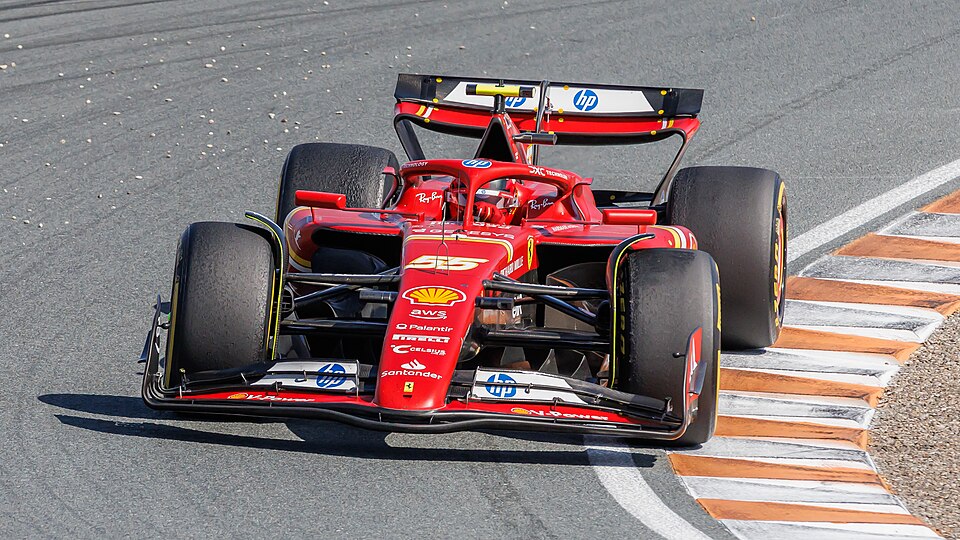
Top 5 Universities for Motorsport Engineering in 2026
Purdue University offers a comprehensive motorsport engineering program that is recognized as a leader in the field. Oxford Brookes University in the UK is renowned for its motorsport engineering degree, attracting students from around the world. Cranfield University provides advanced postgraduate programs with a strong focus on vehicle dynamics and aerodynamics.
The University of North Carolina at Charlotte delivers a well-regarded motorsport engineering curriculum with strong industry connections. Finally, the University of Lancashire offers a specialized motorsport engineering degree that addresses modern technological challenges.
These five institutions consistently produce graduates who excel in motorsport engineering roles globally. Their programs are characterized by rigorous technical training and direct links to the motorsport industry.
Key Features of Top Motorsport Engineering Degrees
- Integration of fundamental engineering principles with specialized motorsport topics, creating a balanced technical foundation
- Hands-on practical skills development through laboratory work, simulation projects, and real-world racing applications
- Industry-aligned curricula that evolve with technological trends, particularly in hybrid and electric powertrain systems
- Professional skill cultivation including project management, teamwork, and communication essential for motorsport careers
- Direct pathways to employment through industry partnerships, internships, and Formula Student competitions
These programs intentionally bridge academic theory with the practical demands of Formula 1, NASCAR, IndyCar, and the broader automotive, aerospace, and defense sectors.
What Skills and Curriculum Define Modern Motorsport Engineering Education?
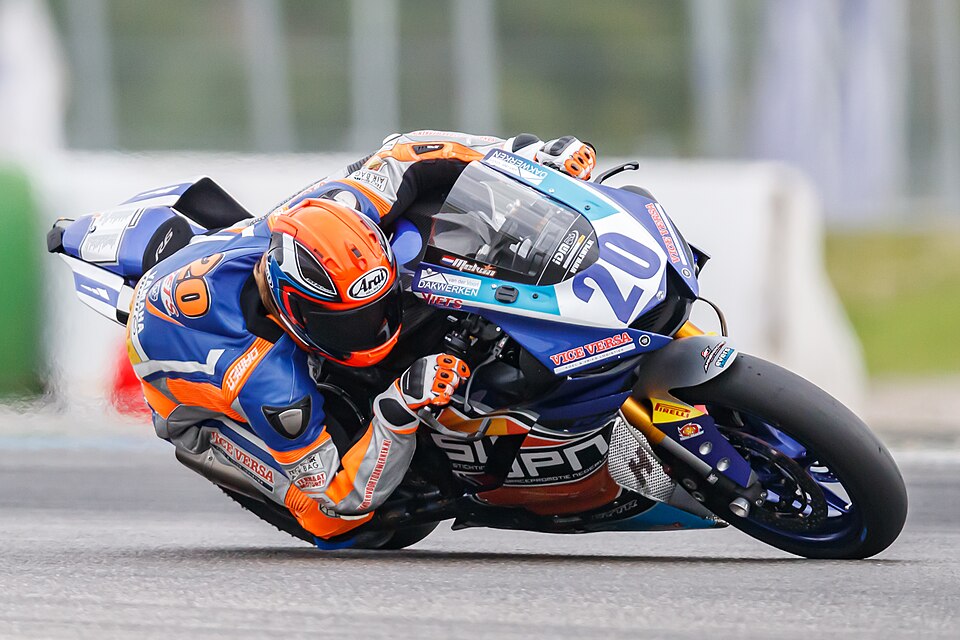
Core Engineering Fundamentals
All motorsport engineering degrees build upon a foundation of core engineering disciplines. Mathematics provides the quantitative tools for modeling vehicle performance and analyzing race data. Physics principles explain forces, motion, and energy transfer critical to understanding how cars behave at speed.
Materials science teaches the properties of composites, alloys, and other advanced materials used in high-performance components. These fundamental subjects are not taught in isolation but are continuously applied to motorsport contexts throughout the curriculum. For example, calculus courses directly support vehicle dynamics analysis, while thermodynamics underpins powertrain efficiency studies.
This integrated approach ensures graduates possess the analytical rigor required for engineering roles in top-tier racing organizations. The best programs balance theoretical depth with practical application, allowing students to solve real engineering problems from day one.
Understanding tire behavior is crucial; the Formula 1 tire compound strategy demonstrates how data acquisition informs performance decisions and race strategy.
Specialized Motorsport Topics: Vehicle Dynamics, Aerodynamics, Powertrain, and Data Acquisition
- Vehicle Dynamics: The study of how vehicles respond to driver inputs, road surfaces, and aerodynamic forces. This includes suspension geometry, tire behavior, handling balance, and simulation modeling. Mastery of vehicle dynamics is essential for optimizing race car performance and setup.
- Aerodynamics: Focuses on airflow management, downforce generation, drag reduction, and CFD (Computational Fluid Dynamics) analysis.
Aerodynamic efficiency directly determines lap times in most racing series, making this a critical specialization.
- Powertrain Design: Covers internal combustion engines, hybrid systems, electric motors, and transmission design. With the industry shift toward electrification, understanding energy recovery systems and battery technology is increasingly vital.
Knowledge of Formula 1 power unit technology provides a cutting-edge example.
- Data Acquisition: Involves sensor technology, telemetry systems, data logging, and analysis software like MATLAB or Siemens NX. Engineers must interpret vast amounts of data to fine-tune performance and diagnose issues during race weekends.
Career Outcomes: Where Can a Motorsport Engineering Degree Take You in 2026?
Employment Rates and Typical Roles
The employment prospects for motorsport engineering graduates are strong. According to recent data, 72.5% of engineering graduates across all disciplines find work within 15 months of completing their degrees, with motorsport specialists often securing positions even sooner due to industry demand. Typical career paths include:
• Formula 1 Teams: Roles in design, simulation, trackside engineering, and performance analysis. Competition is intense, with applications for graduate schemes typically closing by late 2025 for 2026 entry.
• Automotive Manufacturers: High-performance road car divisions increasingly seek engineers with motorsport backgrounds for electric vehicle development and advanced dynamics.
• Aerospace and Defense: The skills in lightweight materials, aerodynamics, and precision engineering translate well to these sectors.
• NASCAR and IndyCar: American racing series offer opportunities in vehicle dynamics, engine development, and data analysis.
• Motorsport Suppliers: Companies specializing in components, software, and engineering services employ graduates in technical sales, application engineering, and product development.
In-Demand Skills for 2026: AI, Automation, and Electric Vehicles
Artificial intelligence now powers predictive maintenance, race strategy optimization, and autonomous testing systems. Automation streamlines design processes through generative engineering and reduces manual tasks in manufacturing and data processing. These technologies are reshaping how teams develop cars and plan race weekends.
The electric vehicle revolution has transformed powertrain development, with hybrid technology becoming standard even in traditional combustion series. Employers actively seek candidates who understand battery management systems, energy recovery, and electric motor control. These skills are not optional; they represent the future of the sport.
The industry’s evolving structure, including budget caps, creates new opportunities for engineers who can deliver cost-effective performance. Graduates who combine traditional engineering fundamentals with expertise in AI-driven simulation and EV technology will have a decisive advantage in the job market.
Sarah Moore’s Perspective: Bridging Engineering and Driving
Sarah Moore’s career trajectory illustrates the value of combining engineering knowledge with practical driving insight. With 25 years of racing experience and 8 years as an ARDS Grade A instructor, she understands both the theoretical and human elements of motorsport. As a driver coach for More Than Equal, Moore helps develop the next generation of racers, emphasizing that engineers who grasp the driver’s perspective create better cars.
Her work demonstrates that motorsport teams increasingly seek professionals who can translate driver feedback into engineering solutions. This dual competence is particularly valuable in vehicle dynamics development and data acquisition interpretation.
Moore’s involvement with Racing Pride also highlights the industry’s commitment to diversity, which enriches the engineering talent pool. For aspiring engineers, her example underscores that practical track experience—whether through Formula Student projects or club racing—significantly enhances employability and effectiveness in technical roles.
Most surprising is the 72.5% employment rate within 15 months—nearly three-quarters of graduates enter the industry quickly despite the field’s perceived exclusivity. The key differentiator is practical experience: employers consistently rank Formula Student participation and internships above pure academic performance. Take action now: research universities with strong industry partnerships and motorsport valley connections.
Join or start a Formula Student team, and seek track day opportunities to understand vehicle behavior from the driver’s seat. These steps will make your application stand out in the competitive 2026 recruitment cycle.
