
Weather impacts racing strategy primarily through tire selection, where a wrong choice can cost 10+ seconds per lap (Aston Martin F1, 2022). Teams must adapt in real-time using weather data, tire management, and car setup changes. The 2026 season brings new Pirelli tire specifications that further complicate strategic decisions.
Understanding how temperature, precipitation, and wind affect performance is essential for any racing team aiming to optimize pit stops, fuel loads, and driver instructions. This guide explains the current data-driven approaches to weather adaptation in modern motorsports, with perspectives from world racing.
- Wrong tire choice in changing conditions costs 10+ seconds per lap (Aston Martin F1, 2022)
- Hot weather accelerates tire wear, forcing conservative driving and downforce adjustments (Driven Racing Oil, 2025)
- Real-time weather simulations are critical for pit stop decisions in wet/mixed conditions (Aston Martin F1)
Tire Strategy: The Most Critical Weather Decision
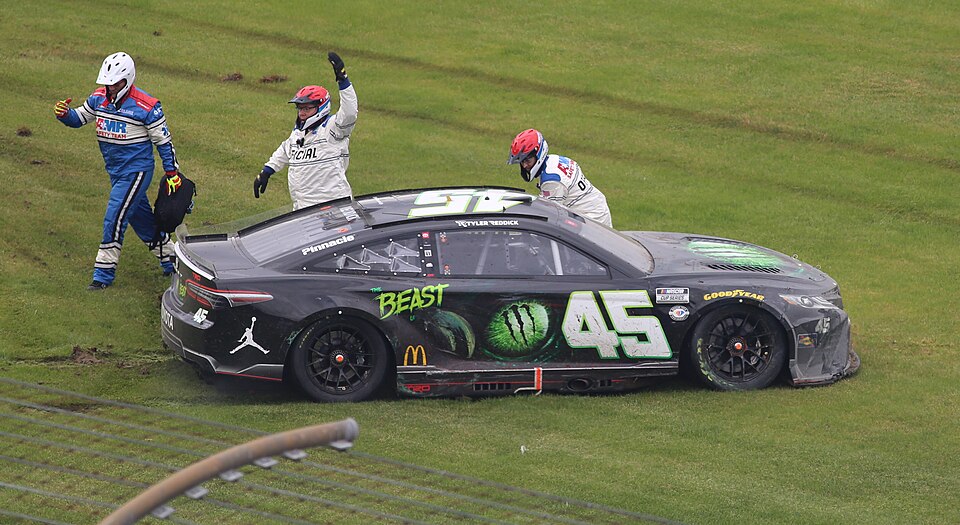
Tire selection represents the single most important strategic decision affected by weather. A team’s ability to read conditions and commit to the correct tire compound determines race outcomes more than any other factor.
The consequences of error are severe—lap time losses exceeding 10 seconds per lap are common when tires are mismatched to track conditions (Aston Martin F1, 2022). This section examines how teams navigate tire choices across dry, intermediate, and full wet scenarios, the specific costs of wrong decisions, the role of historical versus live data, and the 2026 tire regulation changes.
Dry Slicks vs. Intermediates vs. Full Wets: When to Switch
Three primary tire categories address different moisture levels:
Dry Slicks: Used when track is completely dry. No tread pattern, maximum rubber contact with asphalt.
Optimal operating temperature 100-120°C. Lose grip immediately when track becomes damp.
Intermediates: Light tread pattern for damp or lightly wet surfaces (1-2mm water depth). Handle light rain and drying lines.
Operating temperature 60-90°C. Versatile but slower than slicks on dry lines.
Full Wets: Deep grooves for heavy rain (>2mm water depth). Displace water to prevent aquaplaning.
Operating temperature 40-70°C. Slowest compound but only safe option in standing water.
The decision process involves continuous assessment of:
- Track moisture measured by onboard sensors
- Rain intensity and duration forecasts
- Temperature trends affecting drying rates
- Competitor tire choices and degradation rates
Pirelli supplies six dry compounds plus intermediate and full wet options. For 2026, teams receive three dry compounds per race from the six available, plus intermediates and full wets (Pirelli, Dec 2025).
This limited selection forces earlier strategic commitments. Different weather conditions require different tire types, and the wrong choice at any moment compounds time losses (Michael Luzich, Apr 2025).
The 10-Second Penalty: Cost of Wrong Tire Choice
A wrong tire in changing conditions costs more than 10 seconds per lap (Aston Martin F1, 2022). This penalty occurs through multiple mechanisms:
Grip deficit: Slicks on damp track lose mechanical adhesion, forcing drivers to brake earlier, turn slower, and accelerate more gently. Each corner entry loses 0.3-0.5 seconds, accumulating over a lap.
Tire degradation: Incorrect compound overheats or cannot reach operating temperature, causing graining, blistering, or flat spots. A single graining event can lose 2-3 seconds per corner for multiple laps.
Traffic effect: Slower laps allow lapped traffic to disrupt rhythm, create additional overtaking challenges, and force conservative fuel management.
The 10-second figure represents average loss; in extreme cases like the 2021 Belgian Grand Prix, mismanaged weather strategy led to race cancellations after just two laps under safety car conditions. Teams cannot recover this deficit through driving skill alone—it requires strategic advantages elsewhere or competitor errors. This penalty fundamentally shapes pre-race planning: teams now accept calculated risks on initial tire choice, knowing a safety car or early rain could render the decision irrelevant but also fearing the massive time loss of being one stop off sequence.
Wet/Mixed Conditions: Historical Data vs. Live Simulations
Wet and mixed conditions present the greatest strategic challenge because track evolution is unpredictable. Teams combine two data streams:
Historical weather patterns: 10-year race weekend data showing:
- Probability of rain at specific times of day
- Typical drying rates after precipitation
- Wind patterns associated with fronts
- Temperature correlations with rainfall
Live simulations: Real-time weather models processing:
- Radar imagery updated every 2 minutes
- Track temperature sensors at 50+ locations
- Humidity and precipitation sensors on cars
- Computational fluid dynamics predicting water accumulation
The integration happens at the pit wall where strategists overlay historical probabilities with current model outputs. For example, if historical data shows 70% chance of rain at 3 PM, but live simulation shows dry air mass moving in, teams may commit to a longer stint on intermediates rather than pitting early for full wets.
Aston Martin F1 emphasizes that real-time weather data, particularly simulation tools, are essential for pit calls in wet/mixed scenarios (Aston Martin F1). The 2026 season sees increased reliance on AI-enhanced forecasting that processes both data streams faster than human analysts.
2026 Tire Updates: Narrower Profiles and New Compounds
2026 introduces significant tire specification changes affecting weather strategy:
| Specification | 2025 Tires | 2026 Tires | Strategic Impact |
|---|---|---|---|
| Front width | 270mm | 245mm (-25mm) | Reduced mechanical grip, more sensitive to track temperature |
| Rear width | 325mm | 295mm (-30mm) | Less rear-end stability in wet conditions |
| Diameter | 660mm | 645-650mm (-10-15mm) | Smaller contact patch, faster warm-up but less ultimate grip |
| Compounds | 6 dry + intermediate + full wet | 6 dry + intermediate + full wet (new formulations) | New rubber mixes react differently to temperature |
Pirelli confirmed 2026 tire compounds for the new era in November 2025 (Pirelli, Nov 2025). The narrower profiles reduce aerodynamic turbulence but decrease mechanical grip, making tire temperature management even more critical. In wet conditions, the smaller contact patch requires higher tire pressures to prevent aquaplaning, which reduces the rubber’s ability to conform to track imperfections.
Teams must recalibrate their weather strategy models for 2026, as the same rainfall intensity may require different compound choices compared to 2025. The narrower tires also heat up faster, potentially allowing quicker transitions from wet to intermediate compounds during drying phases.
How Do Temperature Extremes Affect Tire Performance and Race Strategy?
Temperature affects racing strategy through tire pressure changes, rubber compound behavior, and degradation rates. Both high and low extremes require specific strategic adaptations beyond simple tire selection. Teams must adjust car setup, driving instructions, and pit stop timing based on thermal conditions.
Hot Track Temperatures: Accelerated Wear and Downforce Adjustments
Hot weather creates multiple performance challenges:
Tire wear acceleration: Rubber degrades 40-60% faster at track temperatures above 40°C compared to 25°C (Driven Racing Oil, Feb 2025; BoxBox, Mar 2025). A stint that lasts 25 laps in cool conditions may last only 15 laps in heat.
Grip loss paradox: While tires need heat to work, excessive track temperature causes the rubber to become too soft, leading to graining and blistering. Surface temperatures above 130°C degrade the tread structure.
Pressure buildup: Air pressure increases 0.1-0.2 PSI per 10°C temperature rise. Over-inflated tires reduce contact patch, causing uneven wear and reduced mechanical grip.
Downforce adjustments: Teams reduce wing angles by 1-2 degrees in hot conditions to lower drag and reduce tire loading. This sacrifices cornering grip but preserves tire life for longer stints (Racekdesign, Sep 2025).
Driving style modifications: Drivers receive instructions to:
- Shorten acceleration zones by 10-15%
- Brake 5-10 meters earlier in high-speed corners
- Avoid aggressive curb usage that generates excess heat
- Manage tire temperatures through smooth steering inputs
Excessive heat increases tire degradation, forcing teams to carefully manage Formula 1 tire choice and accept shorter stints or more frequent pit stops (Racekdesign, Sep 2025). The 2025 season saw multiple races where temperature forecasts dictated one-stop versus two-stop strategies before the first lap.
Cold Conditions: Grip Loss and Operating Temperature Challenges
Cold temperatures present the opposite problem: tires cannot reach optimal operating window.
Operating temperature thresholds: Each compound has a minimum operating temperature (typically 80-100°C for slicks). Below this threshold, the rubber remains too hard to conform to track surface, reducing friction.
Grip reduction: Cold reduces grip by 15-25% compared to optimal conditions (Driven Racing Oil, Feb 2025). Lap times increase 0.5-1.0 seconds per lap until tires warm.
Pressure drop: Cold reduces tire pressure by 0.3-0.5 PSI, increasing contact patch but causing uneven wear patterns as the tire flexes more.
Extended warm-up laps: Drivers must complete 2-3 extra installation laps before pushing, losing track position. Some teams now use tire warmers on grid to mitigate this, but F1 regulations limit pre-race heating.
Strategic implications: Cold conditions favor:
- Softer compounds that reach temperature faster
- Longer first stints to allow track rubbering-in
- Aggressive first lap overtakes on cold tires
- Delayed pit stops to avoid cold tires on re-entry
Racing in cold temperatures affects the tire’s ability to reach the ideal operating temperature, resulting in reduced grip and slower lap times (Motorsport Engineer). The 2026 season’s narrower tires may exacerbate cold-weather issues due to reduced mass for heat retention, requiring even more careful compound selection.
Optimal Tire Temperature: Preventing Blistering and Delamination
Maintaining tires within the optimal temperature window is critical for performance and safety.
Temperature windows:
- Super soft: 90-110°C
- Soft: 95-115°C
- Medium: 100-120°C
- Hard: 105-125°C
Too hot consequences: Exceeding maximum temperature causes:
- Blistering: Rubber bubbles form and pop, creating flat spots
- Graining: Tread surface tears, shedding rubber chunks
- Delamination: Tread separates from carcass, catastrophic failure
- Pressure explosion: Risk of tire deflation at high speed
Too cold consequences: Below minimum temperature causes:
- Cold tear: Rubber shears off in large strips
- Reduced mechanical adhesion
- Poor turn-in response
- Increased wear from sliding
Track temperature has direct impact on tire performance (Aston Martin F1). Teams monitor:
- Internal tire temperature via embedded sensors
- Surface temperature via infrared cameras
- Pressure and temperature correlation
- Wear patterns indicating thermal issues
Optimal tire temp critical to avoid blistering/delamination (Aston Martin F1). When temperatures exceed limits, drivers receive immediate radio instructions to reduce pace by 0.2-0.3 seconds per lap until temperatures normalize. In 2025, three races saw retirements from tire delamination caused by excessive thermal loading during safety car restarts, emphasizing the critical role of racing knowledge in safety.
Wind and Real-Time Data: The Hidden Strategic Factors
Wind and real-time data processing represent less obvious but increasingly important strategic elements. While tire strategy dominates discussions, wind direction and intensity affect car setup and stability, while real-time weather simulations enable faster decision-making than ever before.
Headwind vs. Tailwind: Aerodynamic Setup Adjustments
Wind direction fundamentally alters car behavior through aerodynamic effects:
Headwind (wind opposing direction of travel):
- Increases effective airspeed by wind speed addition
- Generates more downforce without increasing drag coefficient
- Improves braking stability as more air hits front wing
- Can cause porpoising at high speeds if downforce exceeds suspension damping capacity
Tailwind (wind assisting direction of travel):
- Decreases effective airspeed, reducing downforce
- Extends braking distances by 5-10%
- Causes instability in high-speed corners
- May require 1-2 click rear wing increase to compensate
Crosswind (perpendicular wind):
- Pushes car sideways, particularly in fast corners
- Affects tire slip angles and wear patterns
- Requires steering input corrections that disrupt racing lines
Peter Hall, Aston Martin F1 Head of Race Strategy, explains that wind: headwind aids downforce; tailwind/sidewind disrupts braking/stability, requires wing adjustments (Peter Hall, Aston Martin F1). The porpoising risk with headwinds occurs because increased downforce loads the suspension beyond its optimal range, causing the car to bottom out and then bounce repeatedly.
Teams now carry three wing setups to races specifically for wind variations, selecting based on morning practice sessions. Wind direction not only affects aerodynamics but can cause porpoising issues, requiring specific wing adjustments (Peter Hall, Aston Martin F1).
Real-Time Weather Simulations: The Pit Wall’s Decision Tool
Modern F1 teams use sophisticated simulation platforms that ingest live weather data and predict track evolution:
Data sources integrated:
- Meteorological service feeds (updated every 5 minutes)
- On-car sensors measuring track temperature, humidity, precipitation
- Satellite radar with 1km resolution
- Historical track drying curves for specific circuits
Simulation outputs:
- Predicted track temperature 10, 20, 30 minutes ahead
- Drying rate in different track sections (turns vs straights)
- Probability of rain at specific times with confidence intervals
- Optimal pit stop windows based on tire wear under predicted conditions
Real-time weather data (e.g., simulations) for pit calls (Aston Martin F1). The pit wall strategist monitors these simulations alongside competitor positions.
When the simulation shows a 70% probability of rain within 8 minutes, teams may pit a lap earlier than competitors to gain undercut advantage on intermediate tires. The 2026 season introduces standardized weather data APIs through FIA, reducing technology gaps between teams but increasing reliance on simulation accuracy.
Driver Instructions in Variable Weather: Tire Preservation Tactics
In unpredictable conditions, teams give specific radio instructions to preserve tires and maintain strategic flexibility:
Wet conditions:
- “Shorten first stint by 3 laps” — allows earlier second stop for compound switch
- “Conservative braking zones” — preserves tire edges from flat-spotting
- “Avoid curb on left side Turns 3, 7” — prevents rubber damage from standing water
- “Maintain 1050 RPM in corners” — prevents wheelspin that shreds tires
Drying track:
- “Extend intermediate stint 2 laps” — delays switch to slicks, preserves dry tires
- “Gentle acceleration out of corners” — prevents overheating intermediate tread
- “Monitor tire temps, report if >115°C” — early warning of blistering risk
Hot conditions:
- “Lift and coast 50m before braking” — reduces brake heat transfer to tires
- “Short-shift at 10,500 RPM” — reduces torque loading
- “Avoid aggressive kerb usage” — prevents sudden temperature spikes
Implied lighter loads/shorter stints in wet for flexibility, cautious driving to preserve tires (general strategy snippets, F1 Manager 2024). These instructions balance immediate lap time against long-term tire viability. In 2025, teams using more conservative tire preservation in early wet phases gained 2-3 positions during the drying transition when competitors faced sudden degradation.
Closing
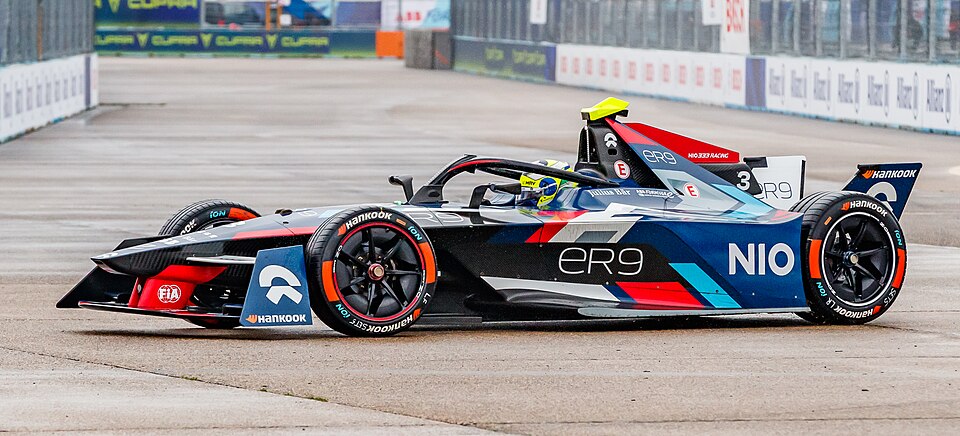
Wind direction not only affects aerodynamics but can cause porpoising issues, requiring specific wing adjustments (Peter Hall, Aston Martin F1). This hidden factor often gets overlooked in favor of tire strategy, yet it can cost 0.3-0.5 seconds per lap if not optimized. Teams should integrate historical weather data with real-time radar and simulation tools to optimize pit stop timing and tire selection in 2026.
The most successful teams will be those that treat weather not as an uncontrollable variable but as a predictable element managed through data synthesis. For deeper insights into how racing knowledge transforms strategic decision-making across all conditions, explore how racing knowledge enhances fan experience and racing knowledge and technology integration on Sarah Moore Racing.
