
The 2026 Formula 1 power unit technology introduces a revolutionary 50/50 hybrid split, delivering over 1000hp from a 1.6L V6 turbo engine combined with an enhanced MGU-K system, while mandating 100% sustainable fuels and strict fuel flow limits. This marks a major shift toward sustainability and road-relevance, with the hybrid system now contributing equally to total power.
The MGU-K recovers up to 8.5MJ per lap exclusively from braking, and fuel flow is capped at 75kg/h or 3000MJ/h—down from previous limits. These changes aim to make F1 more efficient and environmentally friendly while maintaining high performance.
- 2026 F1 power units use a 1.6L V6 turbo hybrid delivering >1000hp total with a 50/50 split between ICE (~500hp) and electric (~470hp).
- The MGU-K is upgraded to 350kW recovery (from 120kW) with braking-only energy capture, achieving 8.5MJ per lap and minimum 200kW deployment.
- Fuel flow is limited to 75kg/h or 3000MJ/h energy, requiring 100% sustainable net-zero carbon fuels, down from the previous 100kg/h limit.
2026 Formula 1 Power Unit Hybrid Architecture and Power Split
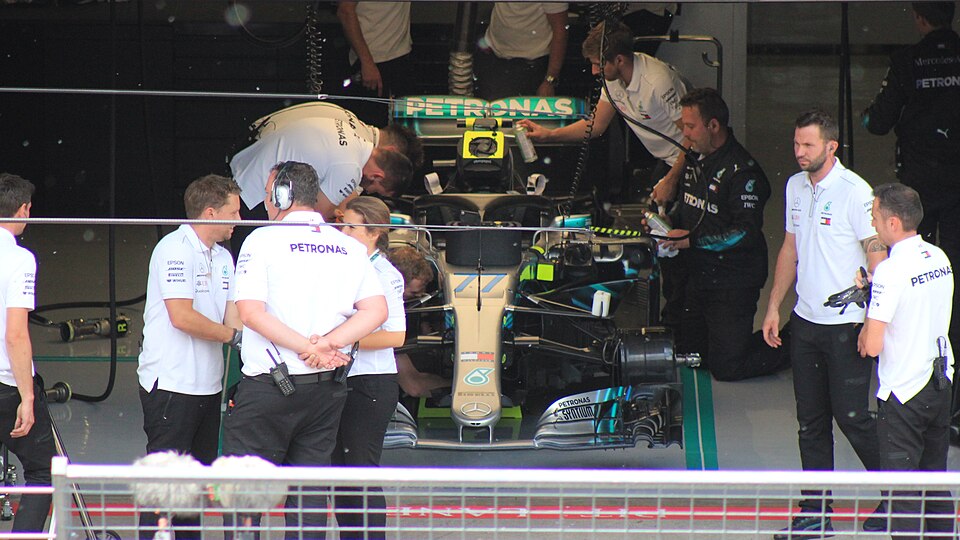
The 2026 technical regulations redefine the power unit architecture, emphasizing a balanced hybrid approach. The 1.6L V6 turbo remains the core, but its role is now complemented by a significantly more powerful electric system. This shift reflects F1’s commitment to sustainability without sacrificing performance.
The new configuration also interacts with other regulatory changes like active aerodynamics, but the power unit itself is the heart of the car’s performance. Understanding this architecture is key to grasping how F1 will race in 2026 and beyond.
Total Power Output Exceeds 1000hp
The 2026 power unit achieves a total output exceeding 1000 horsepower through a precise 50/50 hybrid split: approximately 500hp from the 1.6L V6 turbocharged internal combustion engine (ICE) and about 470hp from the electric motor (Formula1.com, Jan 2026). This balance represents a dramatic shift from the previous ~70/30 ICE-electric ratio, emphasizing energy recovery and efficiency. The ICE still revs up to 15,000 rpm but now works in tandem with a much more powerful MGU-K.
The electric component’s near-500hp contribution is nearly triple the previous MGU-K output, showcasing F1’s commitment to hybrid technology. This architecture directly supports the sport’s net-zero carbon by 2030 goal, as the electric power is generated from braking energy and sustainable fuels. Teams must optimize both systems to maximize total output without exceeding the new fuel flow limits, creating a complex interplay between combustion efficiency and energy recovery.
The result is a power unit that is both more sustainable and nearly as powerful as its predecessor, despite the fuel flow restrictions. This power output is comparable to current F1 power units despite the fuel flow reduction, showing the effectiveness of the enhanced hybrid system.
Engine Configuration and Component Limits
– Engine configuration: 1.6 litre V6 turbocharged double-overhead camshaft (DOHC) reciprocating engine, operating up to 15,000 rpm.
– Hybrid split: Power is divided equally between the ICE and the electric motor, each contributing roughly half of the total >1000hp.
– Component allowances: Each team may use 4 ICE units and 4 turbochargers per season, plus 3 MGU-K energy recovery units and 3 energy storage batteries (Formula1.com).
– Minimum weight: The complete power unit must weigh at least 130kg, an increase from previous seasons due to larger battery requirements (FIA regulations).
These limits force teams to manage resources carefully across the 22-race season. The reduction in allowed components compared to earlier hybrid eras (where MGU-K limits were less strict) encourages durability and reliability development. The increased minimum weight reflects the heavier battery systems needed for greater energy storage.
The 1.6L V6 configuration remains from the 2014 hybrid era but with vastly different energy recovery targets. The 50/50 split is a radical departure, requiring engineers to redesign cooling, packaging, and control systems to handle higher electrical loads.
The component limits also interact with the budget cap financial fair play framework to control overall costs. The 4 ICE allowance per season is the same as current regulations, but the 3 MGU-K limit is new, reflecting the increased complexity and cost of the more powerful unit.
How Does the Enhanced MGU-K Boost Power and Efficiency?
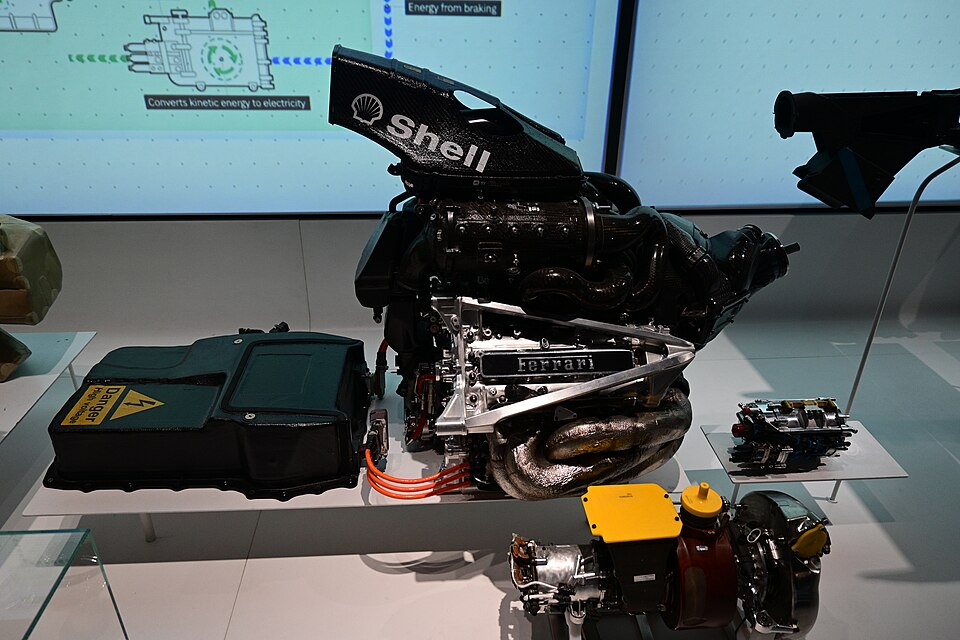
The MGU-K (Motor Generator Unit – Kinetic) is the centerpiece of the 2026 hybrid system. Its dramatic power increase and exclusive braking recovery role transform how F1 cars harvest and deploy energy. This section explores the technical changes, performance impacts, and engineering challenges of the upgraded MGU-K.
MGU-K Power Output 350kW vs Previous 120kW
The 2026 MGU-K delivers a maximum output of 350kW, nearly triple the previous 120kW limit (Honda Global, Jan 2026; The BRAKE Report, 2026). This massive increase is enabled by the removal of the MGU-H, which previously handled exhaust energy recovery. With the MGU-H gone, the MGU-K must now handle all regenerative braking and energy deployment, requiring more robust power electronics and thermal management.
The 350kW figure represents both recovery capability and deployment power, though deployment is limited to a minimum of 200kW when on throttle. In practical terms, the electric motor now contributes about 470hp to total power, up from ~160hp. This boost helps offset the reduced fuel flow, maintaining lap times despite lower fuel consumption.
The change also increases road relevance, as production hybrids use similarly high-power electric motors. Teams must integrate larger, heavier batteries to store the additional energy, affecting car weight distribution and packaging. The power electronics must handle over 2.5 times the current capacity, requiring advances in silicon carbide or gallium nitride semiconductors.
Braking-Only Energy Recovery 8.5MJ per Lap
With the MGU-H removed, the MGU-K now captures energy exclusively during braking events. The system can recover up to 350kW at the wheels and store up to 8.5MJ per lap (Honda Global, Jan 2026; The BRAKE Report, 2026). This is a significant increase from the previous ~2-3MJ per lap.
The 8.5MJ translates to approximately 0.5-1 second per lap in time savings, depending on circuit characteristics. Drivers must adapt their braking style—braking earlier and harder—to maximize energy capture, especially at tracks with many slow corners. However, excessive regeneration can cause rear instability under braking, so teams develop sophisticated software to modulate brake bias and MGU-K harvesting.
The braking-only focus simplifies the power unit but increases stress on brake components. The energy stored is deployed during acceleration, providing a boost that can be crucial for overtaking.
This system aligns with the sprint race format where energy management over shorter distances becomes even more critical. The 8.5MJ cap is about 30% higher than the theoretical maximum under the old system, demonstrating the potential for greater energy recapture.
Deployment and Weight Minimum 200kW and 16kg
– Minimum deployment: The MGU-K must provide at least 200kW of power when the driver is on the throttle, ensuring a baseline electric boost at all times (FIA PU Regs 2024).
– Minimum weight: The MGU-K unit itself must weigh at least 16kg, excluding the battery and energy store (FIA PU Regs 2024).
– Integration challenges: The heavier MGU-K and larger battery require careful packaging within the rear of the chassis, affecting weight distribution and cooling demands.
– Effect of MGU-H removal: Eliminating the exhaust-based energy recovery system simplifies plumbing and reduces heat shielding needs, but shifts all recovery responsibility to the braking system, increasing brake component stress and wear.
The 200kW minimum deployment guarantees that the hybrid advantage is always present, preventing teams from disabling the system to save battery. The 16kg minimum weight controls costs by limiting exotic lightweight materials. The packaging constraints are particularly challenging for smaller teams with less flexible chassis designs.
The removal of MGU-H reduces overall complexity but requires more robust braking systems to handle the increased energy flow. These factors combine to make the MGU-K integration a major engineering focus for 2026.
Fuel Flow Limits and Sustainable Fuels The 2026 Sustainability Push
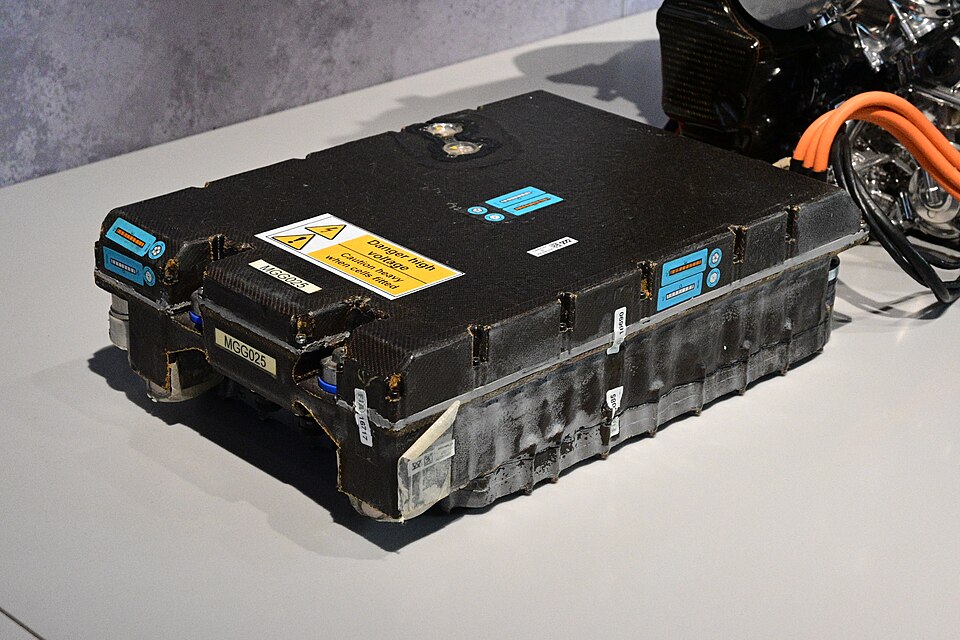
The 2026 regulations impose strict fuel flow limits while mandating 100% sustainable fuels, marking a dramatic step toward F1’s net-zero carbon ambition. These rules directly impact engine performance, strategy, and fuel supplier development.
Fuel Flow Limit 75kg/h or 3000MJ/h Energy Cap
– Mass flow limit: Fuel may not exceed 75kg per hour, a 25% reduction from the previous 100kg/h (MercedesAMGF1.com; Facebook/ThisIsFormula1, 2026).
– Energy flow limit: Alternatively, teams may consume no more than 3000 megajoules per hour, providing flexibility for different fuel energy densities.
– Dual measurement: Both limits are enforced simultaneously; exceeding either invalidates the lap.
– Strategic implications: The lower flow rate forces teams to optimize combustion efficiency and leaner mixtures, while the energy cap allows some freedom if using higher-energy sustainable fuels.
The dual-limit system encourages fuel suppliers to develop high-energy-density sustainable blends. Engine tuning shifts toward maximizing thermal efficiency rather than raw fuel consumption. Race strategy now includes careful monitoring of both fuel mass and energy usage, with teams potentially adjusting engine mapping mid-race to stay under caps.
The reduction from 100kg/h to 75kg/h represents a significant constraint, requiring more aggressive energy recovery to compensate for the decreased fuel availability. This regulation pushes F1 to be more efficient, directly impacting tire compound strategy as teams balance energy recovery with tire wear management. The energy cap allows fuels with up to 40 MJ/kg energy density, giving suppliers flexibility in formulation.
Sustainable Fuel Mandate 100% Net-Zero Carbon
All fuel must be 100% sustainable with net-zero carbon emissions, meaning the CO2 released during combustion was previously captured from the atmosphere or biogenic sources (MercedesAMGF1.com; Formula1.com). This is a major step toward F1’s 2030 net-zero goal. Fuel suppliers like Aramco, Shell, and others are developing advanced biofuels and synthetic e-fuels that meet strict FIA specifications.
The challenge lies in achieving the same energy density and performance as conventional racing fuels while being fully carbon-neutral. Teams must work closely with suppliers to optimize engine calibration for these new fuels, which may have different combustion characteristics, octane ratings, and lubricity. The mandate extends to all support vehicles and operations, making the entire event more sustainable.
This regulation positions F1 as a testbed for sustainable mobility technologies that could eventually influence consumer vehicles. The 100% requirement leaves no room for fossil-derived components, forcing a complete overhaul of fuel supply chains and creating new opportunities for innovation in sustainable fuel development. F1’s fuel demand will drive economies of scale, potentially lowering costs for sustainable fuels in other sectors.
The most striking finding is that a 1.6L engine—smaller than many road car engines—now produces over 1000hp thanks to the 50/50 hybrid split, with electric power contributing nearly half. This demonstrates how far energy recovery technology has advanced. For teams to succeed in 2026, they must prioritize optimizing MGU-K deployment strategies, particularly focusing on the 200kW minimum throttle requirement.
By fine-tuning when and how much energy to harvest during braking and deploy during acceleration, teams can gain up to several tenths per lap. Engineers must also balance battery state of charge to ensure the full 200kW is available at critical moments, like overtaking zones. This balance between recovery and deployment will be key to success.
Additionally, mastering the sustainable fuel requirements within the budget cap will separate the top teams. The technologies developed will also influence professional racing series worldwide as hybrid systems become more prevalent.
