
The thunderous roar of V8 engines echoes across the concrete and clay of Mount Panorama, where Australia’s premier touring car championship reaches its pinnacle each year. The Australian Supercars Championship, currently known as the Repco Supercars Championship, is Australia’s top-tier touring car series featuring V8-powered machines competing on both street circuits and permanent tracks across Australia and New Zealand.
In 2026, the series continues its legacy with the Gen3 era, showcasing Chevrolet Camaro and Ford Mustang Supercars in a 14-round season that culminates in the legendary Bathurst 1000. The series’ blend of high-speed competition, technical innovation, and fan engagement has made it a cornerstone of Australian motorsport culture.
- The series is Australia’s premier touring car championship, evolved from the 1960s ATCC and defined by V8 power since 1993.
- Iconic events like the Bathurst 1000, Adelaide 500, and Gold Coast 600 draw massive crowds and test driver skill on street and mountain circuits.
- The current Gen3 era (2023+) uses Chevrolet Camaro and Ford Mustang Supercars with 5.4L V8 engines, 650 horsepower, and technical parity for close racing.
What Is the Australian Supercars Championship?
From ATCC to V8 Supercars: The Championship’s Evolution
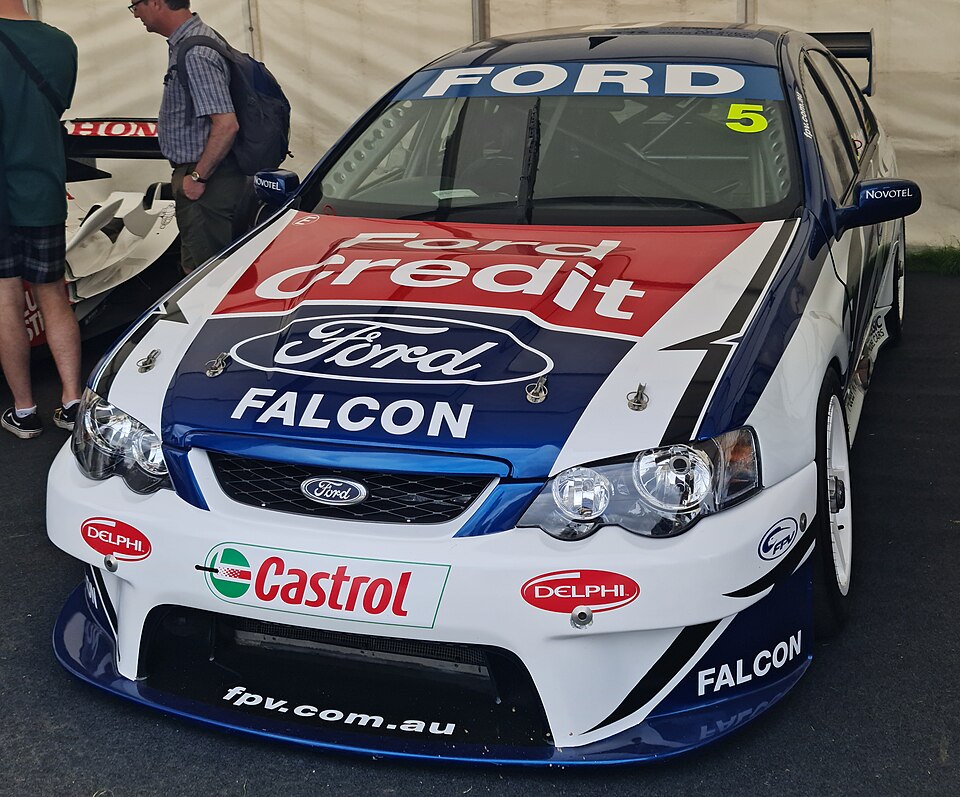
The Australian Supercars Championship originated as the Australian Touring Car Championship (ATCC) in the 1960s, featuring a diverse field of production-based vehicles. In 1993, the series underwent a transformative shift by adopting V8 engines exclusively, with Ford Falcon and Holden Commodore emerging as the cornerstone models. This change was driven by a desire for technical parity—V8s offered similar power outputs, reducing manufacturer dominance and creating more competitive, exciting racing.
The V8 Supercars era, which lasted until 2019, became synonymous with the series’ identity, characterized by the distinctive V8 roar and intense manufacturer rivalry. In 2023, the championship entered the Gen3 era, introducing Chevrolet Camaro and Ford Mustang Supercars equipped with bespoke 5.4L V8s. This new generation incorporates advanced VCAT (Vehicle Control Aerodynamic Testing) and custom chassis to further refine parity, ensuring that competition remains fiercely balanced.
The evolution from ATCC to V8 Supercars and now to Gen3 underscores the series’ adaptability and unwavering commitment to delivering thrilling, competitive racing while preserving its V8 heritage. The V8 Supercars era not only standardized engine types but also cultivated a passionate fan base attracted to the raw power and accessibility of the cars.
Many current drivers honed their skills in junior categories before progressing to Supercars, highlighting the series’ role as a career ladder. For aspiring drivers, understanding the fundamentals of racing knowledge is crucial; resources like Racing Knowledge for Junior Drivers provide essential theoretical and practical guidance for those aiming to reach the top tier.
Series Structure: Teams, Rounds, and Governance
The championship is administered by Supercars, the official sanctioning body responsible for setting technical regulations and organizing the annual calendar. In 2026, the season comprises 14 rounds conducted from February through November, with events held across Australian metropolitan areas and a return to New Zealand’s Taupō circuit. This geographic spread ensures national exposure and engages diverse fan bases.
Teams such as Triple Eight Race Engineering and Red Bull Ampol Racing field multiple entries, each comprising a driver and a dedicated crew of engineers and mechanics. The points system awards drivers based on their finishing positions in each race, with additional points often allocated for qualifying and endurance events.
The championship format typically blends sprint races—shorter, high-intensity events—with endurance rounds like the Bathurst 1000, which test reliability and strategy over longer distances. This combination demands versatility from both drivers and teams, making the title race a marathon of consistency rather than a single-race showdown.
The Supercars Championship occupies a unique position within the global touring car landscape. While it stands as Australia’s premier series, its structure and technical regulations share commonalities with other international competitions, offering a fascinating contrast for motorsport enthusiasts interested in Exploring International Motorsports Series.
For those interested in a broader perspective, exploring international motorsports series reveals how Supercars compares to championships like the World Touring Car Cup or the British Touring Car Championship. Additionally, fans seeking comprehensive coverage of world racing events can visit the dedicated world racing page, which aggregates news and highlights from major series worldwide.
Championship Records: Whincup’s 7 Titles and Brock’s Bathurst Dominance
The record books of the Australian Supercars Championship are illuminated by two towering figures: Jamie Whincup and Peter Brock. Whincup’s seven series championships represent the highest individual achievement in the modern era, a testament to his sustained excellence across multiple generations of cars. Mark Skaife follows with five titles, underscoring the competitive depth of the championship.
Meanwhile, Peter Brock’s nine victories at the Bathurst 1000 earned him the enduring nickname “King of the Mountain,” a record that may never be surpassed. Brock’s 1979 triumph in the Holden A9X Torana remains legendary; he lapped the entire field by six laps, a margin of dominance rarely seen in any motorsport. These accomplishments highlight the series’ blend of driver skill, engineering prowess, and endurance, setting benchmarks that continue to inspire current competitors.
Their records are frequently cited in discussions of the sport’s greatest drivers and serve as a benchmark for evaluating contemporary talent. The championship’s history is replete with such moments that elevate the series beyond mere competition into the realm of legend.
Iconic Events and the 2026 Supercars Calendar
Bathurst 1000: The Ultimate Endurance Test at Mount Panorama
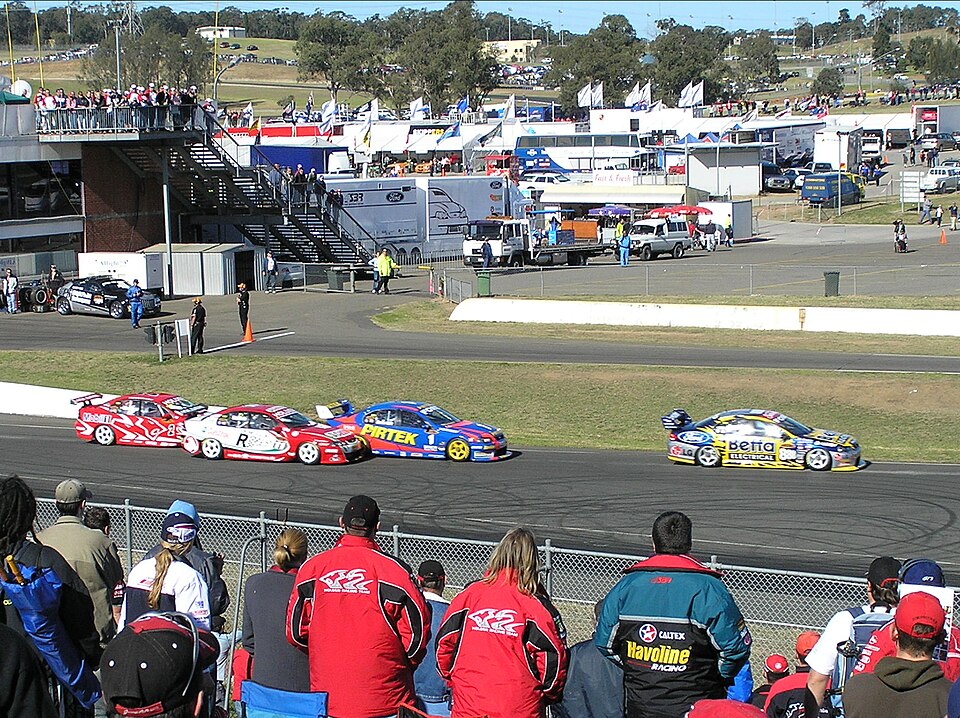
The Bathurst 1000, staged at the iconic Mount Panorama circuit, is the undisputed jewel in the Supercars crown and one of the world’s most grueling endurance races. This 1000-kilometer marathon, affectionately known as “The Great Race,” demands 161 laps of the challenging mountain layout, where elevation changes, high-speed straights, and treacherous corners test the limits of man and machine. Peter Brock’s nine Bathurst victories cemented his legendary status, while the 1979 Holden A9X Torana’s six-lap dominance remains a benchmark of engineering superiority.
The event attracts over 200,000 spectators annually, creating an electric atmosphere that blends motorsport passion with Australian cultural celebration. For drivers and teams, winning Bathurst represents the ultimate career achievement, symbolizing the perfect synthesis of speed, strategy, and endurance that defines the Supercars Championship.
The circuit’s inherent risks have driven continuous safety improvements, a topic explored in the role of racing knowledge in safety. The race’s unpredictable nature—where mechanical failures, weather shifts, and strategic gambits can alter outcomes—ensures that every edition writes new chapters in the series’ lore.
Street Circuit Thrillers: Adelaide, Gold Coast, and Sydney
- Adelaide 500: The season’s street circuit finale, where the championship concludes on a temporary urban track, often producing dramatic title deciders.
- Gold Coast 600: A street race characterized as a “bravery test,” highlighting the courage needed to tackle its challenging configuration.
- Sydney SuperNight: The series’ night racing event, held under artificial lights, which changes the visual and tactical dynamics for drivers.
These three street events demonstrate the series’ adaptability, moving from natural terrain to temporary circuits that require different skill sets. Each offers a distinct experience: Adelaide’s finale pressure, Gold Coast’s bravery challenge, and Sydney’s nocturnal conditions. Together they provide a varied calendar that tests drivers comprehensively.
Understanding these unique demands can greatly enhance fan appreciation, as discussed in how racing knowledge enhances fan experience. Street circuits are a staple of the Supercars calendar, drawing large crowds and creating a festival atmosphere that differs from permanent facilities.
The close proximity of barriers means mistakes are heavily punished, raising the stakes. These events often become pivotal in the championship battle due to their unpredictable nature.
2026 Season Schedule: Key Dates and Venues
The 2026 Supercars Championship season is set to feature 14 rounds spanning from February to November, with the opening round taking place at Albert Park in Melbourne from February 20-22. This event traditionally shares the bill with the Australian Grand Prix, offering fans a double-header of top-tier motorsport. Among the highlights is the return to New Zealand’s Taupō circuit in April, marking the series’ continued international expansion.
Other confirmed venues include the high-speed Mount Panorama for the Bathurst 1000 in October, the coastal streets of Gold Coast in October, the urban Adelaide finale in November, and the night race at Sydney Motorsport Park. The full calendar, which balances traditional favorites with innovative formats like the Sydney SuperNight, ensures a diverse and action-packed year.
Drivers competing in the 2026 season must hold valid international motorsports licenses, as detailed in international motorsports licensing requirements, underscoring the professional standards required at this level. The season will conclude with the Adelaide 500 in November, serving as the dramatic finale where championships are often decided.
Gen3 Supercars: V8 Engineering and Technical Parity
Gen3 Car Specifications: 5.4L V8, 650HP, and 300km/h Top Speed
| Specification | Value |
|---|---|
| Engine Displacement | 5.4L |
| Horsepower | 650 hp |
| Top Speed | ~300 km/h |
| Minimum Weight | ~1350 kg |
| Fuel Type | Ethanol (since 2008) |
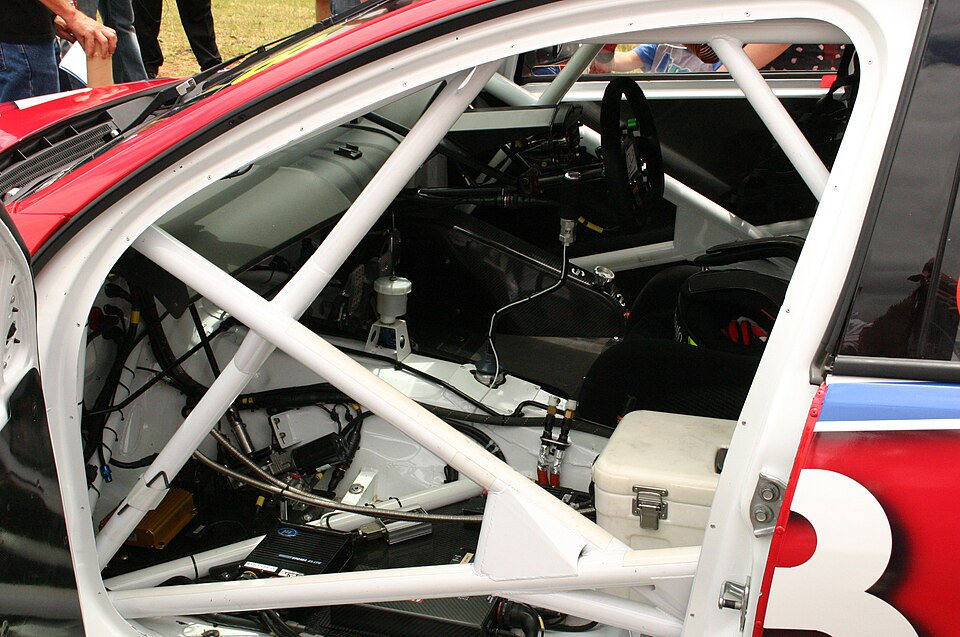
These specifications enable the Gen3 Supercars to achieve remarkable performance while maintaining safety. The 5.4L V8 delivers 650 horsepower, propelling the cars to approximately 300 km/h, yet the minimum weight of 1350 kg ensures they remain manageable. The use of ethanol fuel since 2008 reflects the series’ commitment to sustainability without sacrificing power.
Compared to the previous V8 Supercars era, Gen3 cars feature more aggressive aerodynamics and custom chassis designed to enhance mechanical grip, while the VCAT system ensures that both Chevrolet Camaro and Ford Mustang models achieve parity, resulting in closer racing on track. The integration of advanced data analytics in testing and race strategy exemplifies how racing knowledge and technology integration drives performance, allowing teams to extract every ounce of speed within the parity constraints. The bespoke nature of the engines means they are built specifically for the series, eliminating any production-based advantages and further emphasizing the role of engineering excellence within the tight technical regulations.
Technical Parity and VCAT Testing: How Close Racing Is Achieved
Technical parity is the cornerstone of the Supercars Championship, ensuring that all competitive cars have equal performance potential. This is achieved through VCAT (Vehicle Control Aerodynamic Testing), a rigorous process where each car’s aerodynamic package is measured and adjusted to meet strict specifications. Additionally, custom chassis built to identical templates and standardized engine components further level the playing field.
The result is a grid where driver skill and team strategy become the primary differentiators, not equipment superiority. For the Gen3 era, these measures have been intensified, with both Chevrolet Camaro and Ford Mustang models undergoing extensive testing to ensure they produce comparable lap times. This commitment to parity makes every race unpredictable and keeps championship battles alive until the final round.
Parity is essential for the series’ commercial health; when cars are evenly matched, races become more exciting, fan interest grows, and smaller teams have a realistic chance of competing against well-funded operations. The VCAT process involves wind tunnel testing and on-track verification to ensure that no car gains an unfair aerodynamic advantage, fostering a truly competitive environment.
Beyond aerodynamics, the series mandates control components such as gearboxes and brakes, further reducing performance gaps. As a result, the 2026 season promises nail-biting finishes and a tightly contested championship, where a single overtake can change the standings.
Evolution from V8 Supercars to Gen3: What Changed?
The transition from the V8 Supercars era (1993-2019) to the Gen3 era represents a significant technical evolution. Previously, Ford Falcon and Holden Commodore models dominated the grid, each with distinct aerodynamic characteristics and engine nuances. While parity was pursued, the cars still exhibited noticeable performance differences based on manufacturer.
Gen3 introduced a new generation of American pony cars—the Chevrolet Camaro and Ford Mustang—with bespoke 5.4L V8 engines designed specifically for the series. These engines produce approximately 650 horsepower, a slight increase from the previous ~620 hp, but more importantly, they are built to a common specification that eliminates manufacturer-specific advantages. The custom chassis and aero packages are now tightly regulated through VCAT, ensuring that the Camaro and Mustang are virtually indistinguishable in performance.
This shift has resulted in even closer racing, with overtaking becoming more frequent and championship battles more intense. The essence of V8 power remains, but the engineering precision of Gen3 has elevated the series to new heights of competitive balance.
The evolution to Gen3 underscores the series’ forward-looking approach while honoring its V8 roots, promising an exciting future for fans and competitors alike. The changes reflect a maturation of the championship, where technical innovation serves the ultimate goal of delivering unpredictable, door-handle racing that keeps spectators on the edge of their seats.
The Australian Supercars Championship’s unwavering commitment to technical parity through VCAT testing makes it one of the world’s most competitive touring car series, where race outcomes are decided by millimeters and milliseconds rather than budget disparities. To experience the V8 roar and witness the Gen3 battle firsthand, visit supercars.com for the full 2026 calendar and ticket information.
For a deeper dive into global motorsport, explore the world racing coverage at world racing. The series’ blend of historic V8 tradition and cutting-edge engineering continues to captivate audiences, making it a must-watch for any motorsport enthusiast.
Meta Description: Australian Supercars Championship: V8-powered racing, Bathurst 1000, and Gen3 technical parity. Your 2026 guide to Australia’s premier touring car series.
Slug: australian-supercars-championship
Tags: Supercars Championship, Gen3, Bathurst 1000, Mount Panorama, VCAT, Chevrolet Camaro, Ford Mustang
Keywords: australian supercars championship, repco supercars championship, v8 supercars, gen3 supercars, bathurst 1000, supercars calendar 2026
