
Energy regeneration is the foundational technology that makes Formula E competitive. Gen3 cars can generate nearly 50% of the energy needed for a race through braking alone.
Unlike traditional racing where braking energy is wasted as heat, Formula E drivers use regenerative braking to capture kinetic energy and feed it back into the battery. This makes energy management the defining factor for success in electric racing, a discipline that has become a cornerstone of world racing championships.
- Formula E’s regenerative braking system captures kinetic energy, with Gen3 cars recovering up to 600kW.
- Electric motors in Formula E are over 95% efficient, compared to roughly 40% for ICE engines.
- Drivers start races with only about 50% of the total energy needed, making energy management critical.
- Techniques like ‘lift and coast’ and steering wheel paddles allow drivers to optimize energy recovery, adding up to 75% of energy back during braking zones.
How Does Energy Regeneration Power Formula E Success?
Regenerative Braking: Converting Kinetic Energy into Battery Power
Regenerative braking is the core technology that sets Formula E apart from traditional motorsport. During deceleration, the system captures kinetic energy that would otherwise be lost as heat through friction brakes. This captured energy is converted into electrical power and fed back into the battery, effectively turning the electric motor into a generator during braking moments.
In conventional racing series, all that braking energy dissipates uselessly into the atmosphere. Formula E’s approach transforms wasted energy into a valuable resource that directly impacts race outcomes.
The technical process works through the electric motor’s inverter, which reverses the motor’s function during braking. Instead of drawing power from the battery to create motion, the motor acts as a generator, using the wheels’ rotation to produce electricity. This electricity flows back through the inverter and into the battery, storing energy for later use.
The system is seamlessly integrated—drivers feel the deceleration through the brake pedal, but much of the slowing comes from the regen effect rather than friction brakes. This integration allows for precise control: drivers can modulate braking force between regenerative and friction systems to optimize both stopping power and energy recovery.
According to FIA Formula E technical documentation, the regenerative system must be configured to provide consistent braking feel while maximizing energy capture. This balance is critical—too much regen can make the brakes feel unpredictable, while too little wastes potential energy. The system also includes fail-safes: if regenerative braking is compromised, friction brakes take over fully to ensure safety.
This dual-system approach means Formula E cars have two independent braking mechanisms working in harmony, a setup that requires sophisticated calibration but delivers remarkable efficiency gains. Formula E’s global calendar, part of the broader world racing landscape, features street circuits in major cities across six continents, each presenting unique braking challenges that test these systems.
Gen3 Powertrain: 600kW Recovery Capacity vs. Gen2’s 250kW
The progression from Gen2 to Gen3 represents a massive leap in regenerative braking capability. Gen3 cars can recover up to 600kW of energy through braking, more than double the 250kW capacity of Gen2 vehicles. This increased recovery potential fundamentally changes race strategy and driver technique.
| Generation | Maximum Regen Capacity | Key Improvement |
|---|---|---|
| Gen2 | 250kW | Baseline regenerative system |
| Gen3 | 600kW | 2.4x increase in recovery capability |
The Gen3 powertrain uses both front and rear motors to maximize energy capture during braking. This dual-motor approach allows for more aggressive regenerative settings without compromising braking performance or safety.
The higher recovery rate means drivers can potentially recapture a larger portion of their lap energy, making every braking zone more valuable from an energy perspective. According to FIA Formula E technical specifications released in 2024, the Gen3 car’s enhanced regenerative system is a key factor in achieving the series’ sustainability goals while maintaining high performance.
This jump in capability required significant engineering advances. The Gen3’s powertrain features more powerful inverters and improved battery management systems that can handle the higher charge rates without overheating. The front motor, which was added in Gen3 specifically for regeneration, allows for more even energy distribution and better braking balance.
Teams have had to adapt their brake-by-wire systems to seamlessly blend regenerative and friction braking, a complex calibration task that has become a major area of competitive development. The increased regen capacity also means brake components last longer—since regenerative braking handles more of the deceleration, friction brakes experience less wear, reducing maintenance costs and allowing teams to run harder brake setups when needed. These technological advances position Formula E as a leader in exploring international motorsports series that prioritize sustainability.
Braking Zones: Adding Up to 75% Energy Back to the Battery
During braking zones, Formula E drivers can add up to 75% of the energy back into the battery. This remarkable recovery rate demonstrates how effectively the series converts kinetic energy into stored electrical power. The impact on race strategy is profound:
- Energy recovery percentage: Up to 75% of kinetic energy can be recaptured during braking zones (FIA Formula E, 2024)
- Strategic implication: Each corner becomes an energy-gathering opportunity rather than just a speed-reduction necessity
- Race distance impact: High recovery rates allow drivers to complete races with less initial battery charge, knowing they will replenish energy throughout
- Competitive balance: Drivers who master braking technique can offset power deficits through superior energy recovery
These statistics show why energy regeneration isn’t just a technical feature—it’s the foundation of competitive electric racing. The ability to consistently achieve high recovery rates separates championship contenders from midfield runners. Teams analyze braking data from every lap to optimize regen settings for each driver and circuit, making energy recovery a finely tuned science as much as an art.
The actual recovery percentage varies by circuit and driving style. Tracks with long, heavy braking zones—like the Mexico City circuit with its high-speed approach to Turn 1—allow for greater energy capture because the car has more kinetic energy to convert. Conversely, tight street circuits with frequent small braking events may yield lower per-zone recovery but still contribute significantly over a lap.
Weather also plays a role: dry conditions allow for more aggressive braking and higher recovery, while wet surfaces require gentler braking to avoid wheel lockup, potentially reducing regen effectiveness. Understanding these variables is part of what makes Formula E strategy so complex and compelling.
Efficiency Metrics: Why Formula E Motors Are Over 95% Efficient
Motor Efficiency: 95%+ for Electric vs. 40% for Internal Combustion
The efficiency gap between electric and internal combustion engines is staggering.
Formula E’s electric motors operate at over 95% efficiency, meaning nearly all electrical energy converts to mechanical motion. In contrast, even the most advanced internal combustion engines manage only about 40% efficiency, with 60% of energy lost as heat and friction.
This massive difference stems from fundamental design principles. Electric motors convert electrical energy to motion through electromagnetic fields with minimal moving parts and no combustion process.
Internal combustion engines waste energy through exhaust heat, cooling system demands, and friction across hundreds of components. For racing, this efficiency gap creates distinct operational characteristics: electric motors produce maximum torque instantly and generate far less waste heat, while ICE engines require complex cooling systems and suffer from thermal management challenges that affect performance consistency.
The 95% efficiency means Formula E drivers can use nearly every watt-hour of battery capacity for forward motion. This efficiency also makes regenerative braking more effective—since the drivetrain loses little energy during conversion, the recaptured power remains highly usable. In contrast, ICE engines cannot recover braking energy at all, making their 40% efficiency a permanent loss.
This efficiency advantage is why electric vehicles, including race cars, can achieve much lower operating costs and environmental impact while maintaining competitive performance. The efficiency numbers also highlight why Formula E can race on a single battery charge while maintaining lap times comparable to lower-tier single-seater series.
The 50% Energy Start: A Metric of Strategic Necessity
Formula E drivers begin races with only about 50% of the total energy needed to reach the finish line. This striking metric highlights the extreme efficiency demands of the series. Teams deliberately start with half the required energy because they know the cars will regenerate the remaining 50% through braking during the race.
This strategy works only because of the high recovery rates possible with regenerative braking. Starting with less energy reduces weight, potentially improving acceleration and handling. However, it requires flawless execution: drivers must consistently hit braking zones at optimal points to recover enough energy to finish.
A single mistake—missing a braking point or taking an avoidable extra lap—can mean running out of power before the checkered flag. The 50% start metric perfectly illustrates why energy management defines Formula E racing. Success depends not just on speed, but on the disciplined accumulation of energy throughout the race.
This approach differs radically from traditional fuel-based racing, where cars start with nearly all required fuel and may even need to conserve to finish. In Formula E, starting with less energy is the norm because regeneration is so reliable.
This creates a unique strategic mindset: drivers must view every corner as an energy-gathering opportunity rather than simply a speed-reduction challenge. The metric also demonstrates how Formula E pushes the boundaries of what’s possible with current battery technology, serving as a real-world laboratory for electric vehicle efficiency that will eventually trickle down to consumer EVs.
Race Strategy: How Energy Management Decides Formula E Races
Lift and Coast: Releasing the Accelerator Before Braking
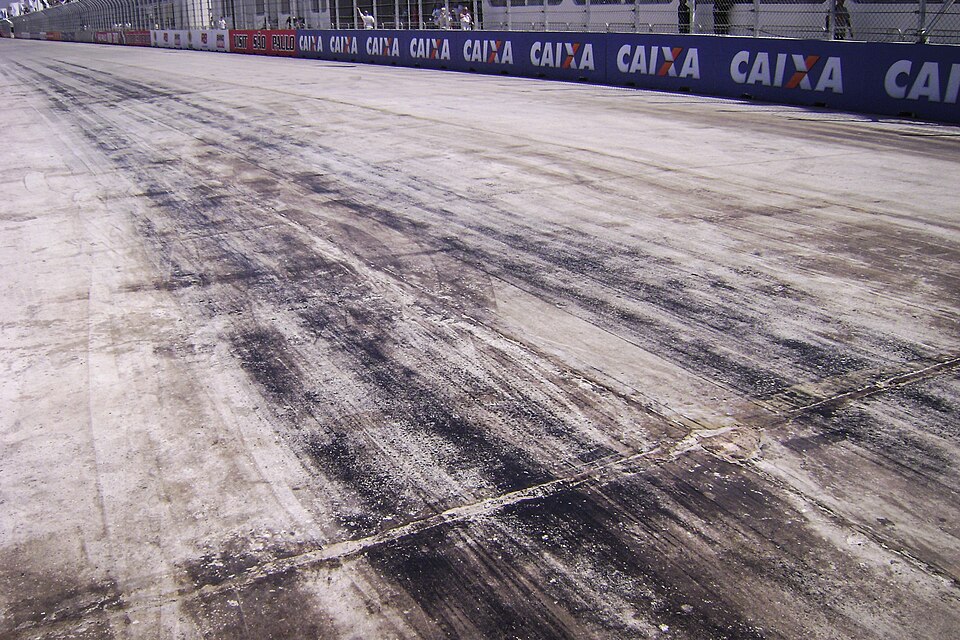
Lift and coast is a fundamental technique where drivers release the accelerator pedal well before the braking point. This early throttle lift serves two purposes: it reduces speed gradually without using friction brakes, and it positions the car for maximum regenerative braking effect when the driver finally applies the brakes.
By lifting early, drivers allow the car to coast using momentum rather than engine power. This conserves battery energy. More importantly, when the driver does brake, the regenerative system can capture a larger percentage of the remaining kinetic energy because the car approaches the braking zone at a higher speed.
The technique requires precise timing and deep knowledge of each circuit’s braking points. A well-executed lift and coast can save significant energy while maintaining lap times through optimal corner entry speeds. Mastering this technique is essential for any driver hoping to compete in Formula E, and it’s a skill that translates directly to road car efficiency driving.
In practice, lift and coast involves identifying the exact point where lifting the throttle begins to slow the car sufficiently to reach the braking zone at the optimal speed. Drivers often mark these points on their steering wheels or memorize them through repetition. The technique becomes second nature, allowing drivers to focus on other aspects like car positioning and overtaking while still managing energy.
It’s a subtle art—lifting too early wastes time, lifting too late misses energy-saving opportunities. The best Formula E drivers can execute lift and coast consistently lap after lap, even under pressure from competitors. Junior drivers developing their craft can benefit from structured programs that teach these advanced techniques, such as those found in racing knowledge for junior drivers curricula.
Steering Wheel Paddles: Manual Control of Energy Recovery
Formula E steering wheel paddles allow drivers to manually adjust regenerative braking levels during a race. These paddles give drivers real-time control over how aggressively the system recaptures energy during deceleration.
Drivers can increase regen to capture more energy when they have a surplus, or decrease it to preserve battery charge when running low. This manual control is critical because automated systems cannot account for all race conditions—traffic, weather changes, or strategic overtakes may require immediate adjustments. The paddles also enable drivers to tailor regen to their driving style, with some preferring higher regen settings for consistent energy capture and others using lower settings for better brake feel.
This human-machine interface exemplifies how Formula E blends driver skill with advanced technology. The best drivers use these paddles instinctively, making micro-adjustments lap after lap to optimize energy balance.
This level of driver involvement in energy management is unique among modern racing series and represents a deep integration of racing knowledge and technology integration that defines modern motorsport. The paddles are typically located behind the steering wheel for easy access without removing hands from the wheel.
Drivers practice extensively to develop muscle memory for when to adjust regen—for example, increasing regen when following another car to recover more energy from the frequent braking, or decreasing regen during qualifying laps to maximize battery power for acceleration. The strategic depth added by these manual controls makes Formula E races more complex and driver-dependent than many other series.
Energy Management as the Defining Factor for Success
In Formula E, energy management determines race outcomes more than any other factor. While traditional racing series focus primarily on tire management and fuel conservation, Formula E adds the complex dimension of battery energy regeneration and deployment.
A driver can have the fastest car but lose the race by mismanaging energy—running too hard early and running out of power late. Conversely, a driver with slightly lower speed but superior energy management can gain positions through strategic overtakes using stored energy (Attack Mode) while opponents fade with depleted batteries. The championship standings reflect this reality: drivers who consistently finish races with optimal energy levels accumulate more points over a season than those who win occasional races but struggle with energy deficits.
This makes Formula E not just a test of driving skill, but a demanding real-time puzzle where every acceleration, braking, and coasting decision impacts the final result. Understanding these strategic layers transforms the viewing experience, which is why racing knowledge enhances fan experience significantly when watching electric racing.
The series has truly made energy management the defining factor for success in electric racing, creating a new paradigm for what it means to be a complete racing driver in the electric era. Proper energy management also has direct safety implications, as running out of battery power during a race can create hazardous situations on track—a risk mitigated through comprehensive racing knowledge in safety protocols that all drivers must master.
The most surprising aspect of Formula E is that drivers start races with only 50% of the energy needed to finish, relying entirely on regenerative braking to capture the remaining half. This extreme approach demonstrates the series’ commitment to pushing electric vehicle efficiency boundaries.
For anyone interested in the technical side of racing, watching a Formula E ePrix reveals how drivers use lift and coast techniques and steering wheel adjustments to maximize energy recovery. The strategic depth is immense—drivers must constantly balance speed against energy conservation, making each race a complex optimization problem played out at over 300 km/h.
Those seeking deeper insights might explore driver coaching programs that teach these advanced energy management skills, as these techniques are becoming increasingly valuable as electric vehicles dominate the automotive future. The principles perfected in Formula E are already influencing road car development, with manufacturers like Jaguar reporting efficiency gains from track-derived technology.
For drivers looking to compete internationally, understanding international motorsports licensing requirements is the first step toward accessing these advanced racing disciplines. The intersection of driver skill and energy technology in Formula E represents the future of motorsport, where winning depends not just on speed but on intelligent resource management—a lesson that extends far beyond the race track.
