
NASCAR employs distinct qualifying formats depending on track type, with single-lap time trials for most ovals, best-of-two laps for short tracks, group qualifying for road courses, and two-round formats for superspeedways. These systems have been standardized for the 2025-2026 seasons, though the Daytona 500 maintains a uniquely complex multi-stage format. Understanding these variations is essential for fans and teams alike, as each format presents different strategic challenges and impacts grid positioning differently.
For a comprehensive overview of NASCAR qualifying within professional racing, see NASCAR qualifying overview. This guide explains how each qualifying system works, the rationale behind them, and how they’ve evolved in recent years.
- The 2025-2026 season standardizes qualifying with track-specific formats: single-lap for most ovals, best-of-two for short tracks, group sessions for road courses, and two-round for superspeedways.
- The Daytona 500 features a unique multi-stage format including qualifying heats to determine the starting lineup, especially for non-chartered ‘open’ teams.
- NASCAR’s qualifying systems have evolved recently, with experiments like the 2022 knockout-style format and pre-2026 performance metrics, showing ongoing refinement.
Current NASCAR Qualifying Formats by Track Type (2025-2026)
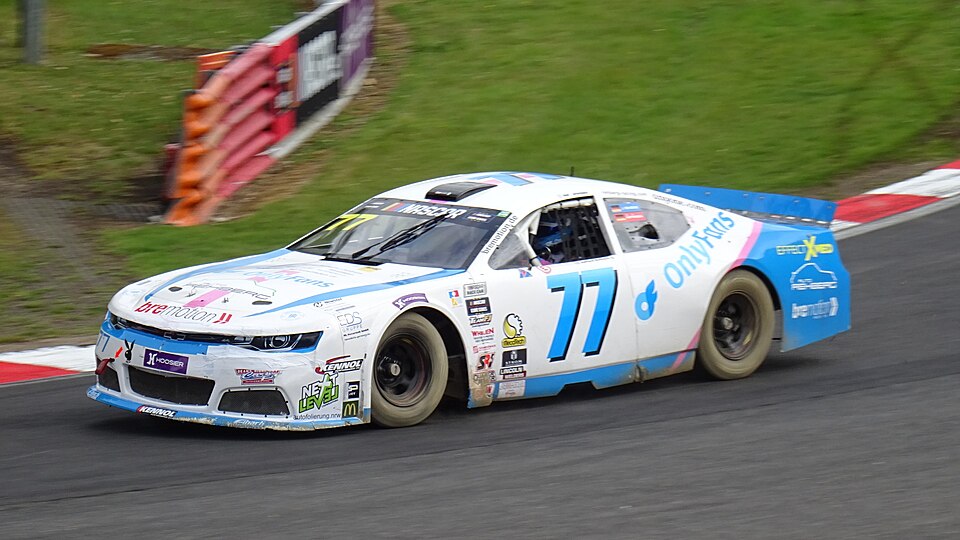
NASCAR’s qualifying procedures vary by track type to optimize fairness, entertainment, and operational efficiency. The 2025-2026 seasons have solidified these track-specific formats, moving away from the one-size-fits-all approach of the past. Below is a breakdown of how each format works and why it is used for particular track types.
Most Tracks: Single-Lap Time Trials Determine Grid Position
For most NASCAR tracks, including intermediate ovals like Kansas Speedway and Charlotte Motor Speedway, qualifying consists of single-lap time trials. In this format, each driver takes one flying lap to set their fastest speed. Cars are sent out individually, usually in reverse order of owner points, with a warm-up lap followed by a timed lap.
Electronic timing beams measure the speed precisely. The driver with the fastest single lap earns the pole position. This format is the standard because it is simple, efficient, and minimizes drafting effects, ensuring that the grid reflects pure driver and car performance.
It also reduces wear on tires and equipment compared to multi-car sessions. According to NASCAR’s 2025 qualifying procedures, single-lap trials are used at all intermediate ovals and some larger tracks where drafting is less of a factor. The system provides a clear, unbiased ranking of lap times, making it easy to understand for fans and teams alike.
Additionally, the single-lap format allows for a compact schedule, often completing all cars within a 90-minute window. This format is similar to the traditional single-car qualifying used in many series, though Formula 1 has moved to a knockout group system; see the Formula 1 technical regulations for details.
Short Tracks Require Best-of-Two Laps for Official Speed
At short tracks such as Martinsville Speedway and Bristol Motor Speedway, NASCAR uses a best-of-two laps format. Drivers complete two consecutive timed laps, and the faster of the two counts as their official qualifying speed.
This approach accounts for the tight confines and higher variability of short tracks, where a single lap might be compromised by traffic or a minor error. The best-of-two system gives drivers a second chance to post a representative time while still keeping the session relatively brief.
- Why two laps? Short tracks have shorter lap times and more traffic, so a single lap may not capture a driver’s true potential. Two laps allow drivers to make up for a suboptimal first attempt.
- Procedure: Drivers typically take a warm-up lap followed by two timed laps. The fastest of the two is recorded. The order of attempts is set by a performance metric or random draw.
- Strategic implications: Drivers must decide whether to push hard on the first lap or conserve for the second. Tire wear is minimal over two laps, so tire management is less critical than in group sessions.
- Differences from single-lap: While single-lap formats emphasize a single perfect effort, best-of-two rewards consistency and gives a safety net, slightly reducing pressure but still demanding speed.
- Track types: This format is reserved for tracks shorter than 1 mile, where the lap duration is under 40 seconds typically.
Road Courses: 15-Minute Group Qualifying Sessions
Road courses like Watkins Glen International and the Charlotte Roval employ group qualifying, where cars are divided into groups and have 15 minutes to set their fastest lap. Groups are usually determined by owner points, with higher-ranked drivers placed in later groups to reward performance. All cars in a group are on track simultaneously, allowing for multiple laps and realistic racecraft, including drafting and overtaking.
Drivers must manage their tires carefully because teams are allocated a limited number of sets for the entire weekend; aggressive early laps can degrade tires, affecting both qualifying and the race. The 15-minute session creates a dynamic, action-packed atmosphere that is more engaging for spectators and television audiences. According to NASCAR’s 2025 rulebook, group qualifying for road courses was adopted to increase on-track competition and better simulate race conditions.
The fastest lap recorded by each driver during the session determines their qualifying position, with group times compared across all participants. This format also reduces total qualifying time compared to individual runs, improving schedule efficiency. Group qualifying is also used in Formula 1’s Sprint Shootout format; learn more about the Formula 1 sprint race format and its impact on championships.
Superspeedways: Two-Round Format with Top 10 Advancement
At superspeedways such as Daytona International Speedway and Talladega Superspeedway, qualifying uses a two-round format designed to crown a pole winner while managing the large field. The process involves all drivers in the first round, with the top ten fastest advancing to a final round to compete for the pole. The order for Round 1 is typically determined by a performance metric, with higher-ranked drivers qualifying later to take advantage of improving track conditions.
| Round | Participants | Purpose | Advancement Criteria | Approximate Duration |
|---|---|---|---|---|
| 1 | All entered drivers | Set baseline speeds and determine which drivers advance to the final round | Top 10 fastest drivers (based on single-lap time) advance to Round 2; the remaining drivers are locked into positions based on their Round 1 times | 20-25 minutes (each driver gets one lap) |
| 2 | Top 10 from Round 1 | Decide the pole position and the top ten starting spots | Fastest lap in Round 2 wins the pole; the remaining nine positions are set by Round 2 times | 10-15 minutes (each driver gets one lap) |
The two-round system adds a knockout element that heightens excitement, as only the fastest ten drivers get a second chance to improve. It also ensures that the pole is decided under the highest pressure, with the best of the best competing head-to-head.
This format has been used at superspeedways since 2025 and is a key part of NASCAR’s qualifying standardization. While qualifying determines the starting grid, race day pit stops are crucial at superspeedways; see our guide to NASCAR pit stop strategies for how teams gain track position.
Daytona 500 Qualifying: The Most Complex Format in NASCAR
The Daytona 500, NASCAR’s premier event, features a uniquely intricate qualifying process that combines single-car runs with heat races to set the 40-car starting field. This multi-stage format, distinct from all other NASCAR races, creates extra drama and opportunities for underdog stories, especially among non-chartered “open” teams.
Traditional Single-Car Flying Lap Sets Initial Speeds
The Daytona 500 qualifying begins with traditional single-car flying laps, where each driver takes one timed lap to establish an initial speed. This session, often called “Time Trials,” directly determines the pole position and the outside of the front row. The fastest qualifier wins the pole, while the second-fastest earns the outside pole.
Additionally, these times are used to seed the qualifying Duels (heat races), assigning drivers to one of two 150-mile races based on their speed. This differs from regular superspeedway qualifying, which uses a two-round format for all drivers and only the top ten advance to a final round. In the Daytona 500, every entrant participates in the single-car runs, and the front two positions are locked in immediately.
The session is a major media event, typically held on the weekend before the race, and draws significant attention as teams and drivers aim for the prestige of starting on the front row. According to NASCAR’s 2026 Daytona 500 media guide, the single-car time trials also influence the Duel lineups, making them a critical first step in the overall qualifying process. The simplicity of single-car runs contrasts with the technical complexity of modern Formula 1 power units; explore Formula 1 power unit technology to see how hybrid systems have transformed the sport.
Qualifying Heats Determine Lineup for Open Teams
Following the time trials, qualifying heats (known as the Duels) are held to set the starting positions for the remaining 38 spots in the Daytona 500. These 150-mile races are the primary pathway for both chartered and open teams to secure their place in the Great American Race.
- Duel structure: The field is split into two Duels based on the initial qualifying times. Typically, odd-numbered qualifiers compete in Duel 1, even-numbered in Duel 2. Each Duel features 20 cars (when the field is full) racing 60 laps at superspeedway speeds.
- Starting lineup determination: The finishing order in each Duel directly sets the starting positions for the Daytona 500. The top 15 finishers in each Duel (or a similar number) earn spots, with the exact allocation depending on the number of chartered entries.
- Open team competition: Non-chartered “open” teams must finish among the top open entries in their Duel to qualify. With only a limited number of spots available to open teams, the Duels become a high-stakes battle for survival.
- Advancement criteria: If an open team finishes behind all chartered teams in its Duel but still among the top open finishers, it secures a spot. The exact number of open spots varies based on the total chartered count; for 2026, with 36 chartered teams, the top 4 open finishers across both Duels qualify.
- Last-chance qualifying: Open teams that fail to qualify via the Duels may have a final opportunity in a last-chance qualifying session, though this is rare and depends on the number of total entries.
Unlike the minimal tire wear in superspeedway Duels, Formula 1’s tire compound strategy is critical to race performance; discover how Pirelli manages tire allocation in F1.
Limited Open Team Spots Create High-Stakes Competition
The Daytona 500’s qualifying format is particularly dramatic for non-chartered “open” teams because only a small number of spots are available to them. Under NASCAR’s charter system, 36 teams are guaranteed entry to every points race. The Daytona 500 has a 40-car field, leaving just 4 spots for open teams.
This means that even if an open team posts a fast time in the single-car runs, they must still perform well in their Duel to secure one of those four spots. The competition is fierce, as any mistake in the Duel can eliminate a team from the race. This creates a high-stakes environment where open teams must balance speed with survival, often leading to intense racing and strategic moves in the Duels.
The format ensures that the fastest open teams make the field while also adding narrative tension for fans, who rally behind underdog stories. For many small organizations, qualifying for the Daytona 500 is a make-or-break moment that can determine their season’s viability.
The limited spots amplify the pressure and make the Duels must-watch events for anyone following NASCAR’s premier race. The financial pressures on open teams echo the cost-control challenges in Formula 1; read about the Formula 1 budget cap and its role in promoting financial fair play.
How Has NASCAR Qualifying Evolved in Recent Years?
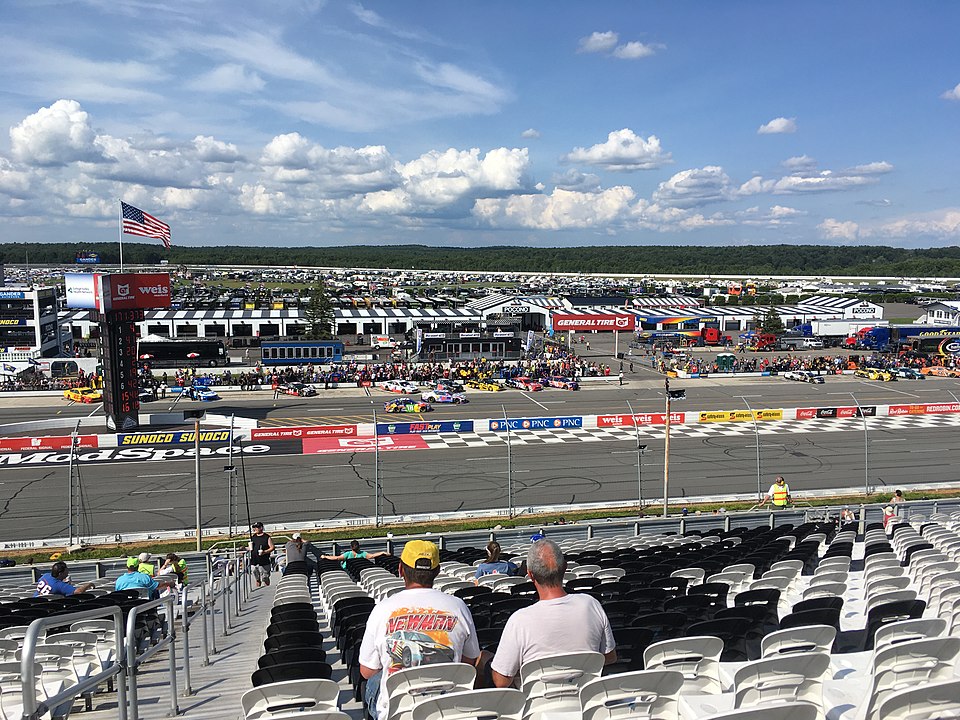
NASCAR’s qualifying procedures have undergone significant changes in the past decade, reflecting the series’ ongoing effort to balance fairness, entertainment value, and operational efficiency. From provisional spots to knockout formats, the evolution shows a willingness to experiment and adapt based on feedback from teams, drivers, and fans.
2022 Knockout-Style Format: A Short-Lived Experiment
In 2022, NASCAR introduced a knockout-style qualifying format across its national series, marking a radical departure from traditional time trials. The format divided drivers into groups, with each group having a set time (often 10-15 minutes) to set a lap. The fastest drivers from each group advanced to subsequent rounds, with the final group determining the pole position.
This was intended to increase on-track action and create a more TV-friendly spectacle similar to Formula 1’s knockout qualifying. However, the format faced criticism from teams and fans, who argued it introduced unnecessary randomness, favored drivers with later qualifying slots, and did not truly reflect driver skill. After one season, NASCAR abandoned the knockout format and returned to variants of single-car or group qualifying depending on track type.
The experiment highlighted the challenges of overhauling a long-standing procedure and reinforced the importance of considering team feedback. According to USA Today, the 2022 knockout qualifying was implemented to emulate the excitement of Formula 1’s format but was dropped after widespread criticism.
Pre-2026 Performance Metrics: Owner Standings and Finish Positions
Before the 2025-2026 standardization, NASCAR often used performance-based metrics to determine the order in which drivers qualified, rather than having everyone qualify in a random or reverse-order sequence.
- Owner points standings: The team’s position in the owner points standings was a primary factor. Higher-ranked teams qualified later in the session, taking advantage of improving track conditions and potentially faster times.
- Driver’s previous race finish: The driver’s finishing position in the most recent race was also factored in, rewarding recent performance.
- Combined metric: These factors were often combined into a single score that set the qualifying order. The exact formula varied by series and season.
- Purpose: The system aimed to create a more compelling broadcast by having top drivers qualify later in the session, when track conditions are typically fastest. It also incentivized teams to perform well throughout the season, as owner points directly impacted qualifying advantage.
- Difference from current: Since 2025, NASCAR has largely moved to simpler ordering methods, such as random draws or invert-based on practice speeds, reducing the strategic complexity of qualifying order. However, some performance metrics still influence group assignments for road course qualifying.
Historical Systems: Provisional Spots and Practice Speed Orders
NASCAR’s qualifying history includes several distinct systems that differ significantly from today’s track-specific formats. Two notable examples are provisional entries and practice-based ordering, each reflecting the series’ evolving priorities.
| System | How It Worked | Era | Key Differences from Current Formats |
|---|---|---|---|
| Provisional Spots | Teams that failed to qualify on speed could still gain entry based on past owner points or champion status. This ensured that popular or successful teams were not excluded from the field. | Primarily before the charter system (pre-2016) | Current formats rely solely on qualifying times (except for Daytona 500 open team spots), with no automatic provisions for past success. The charter system now guarantees 36 teams a spot, reducing the need for provisional entries. |
| Practice Speed Orders | In 2011-2012, the qualifying order was determined by practice speeds rather than a random draw or performance metrics. Faster practice times earned earlier qualifying slots. | 2011-2012 seasons | Today, qualifying order is set by a random draw, performance metrics, or invert of practice speeds, but not directly by practice speeds. The current system aims for simplicity and fairness, while the practice-speed order was an attempt to reward teams that performed well in practice. |
While these methods are no longer used, they demonstrate NASCAR’s ongoing experimentation to find the optimal balance between competition, fairness, and entertainment.
The most surprising aspect of NASCAR qualifying is how frequently the formats change, with the Daytona 500’s multi-stage process standing out as the most complex. For fans attending a race, checking the specific qualifying procedure on NASCAR.com beforehand enhances the viewing experience and helps understand grid implications.
Understanding these formats also provides insight into team strategy and the pressures different types of teams face, especially the high-stakes battle for open spots at the Daytona 500. NASCAR’s willingness to adapt its qualifying systems reflects a broader trend in motorsports to prioritize fan engagement and competitive integrity.
