
Japan’s premier sports car racing series, Super GT, operates under the governance of the GT Association (GTA) and the Japan Automobile Federation (JAF). The series features two distinct classes—GT500 and GT300—and is built on a philosophy of close racing through strict power limits and weight penalties.
For the 2026 season, a full grid of 43 cars (14 in GT500, 29 in GT300) will compete across an 8-round calendar at 7 venues, including an overseas race at Sepang International Circuit in Malaysia. This structure ensures unpredictable outcomes and high fan engagement, making Super GT a cornerstone of Japanese motorsport with growing international appeal.
- Super GT began in 1993 as the All Japan Grand Touring Car Championship (JGTC) and rebranded in 2005 to pursue global recognition, now managed by the GT Association (GTA) under the Japan Automobile Federation (JAF).
- The series features two classes: GT500 with factory Toyota, Nissan, and Honda cars, and GT300 with diverse FIA GT3, JAF-GT, and Mother Chassis machinery.
- The 2026 season includes 8 rounds at 7 venues, with a full grid of 43 cars and an overseas race at Sepang International Circuit in Malaysia.
What is the Super GT Series?
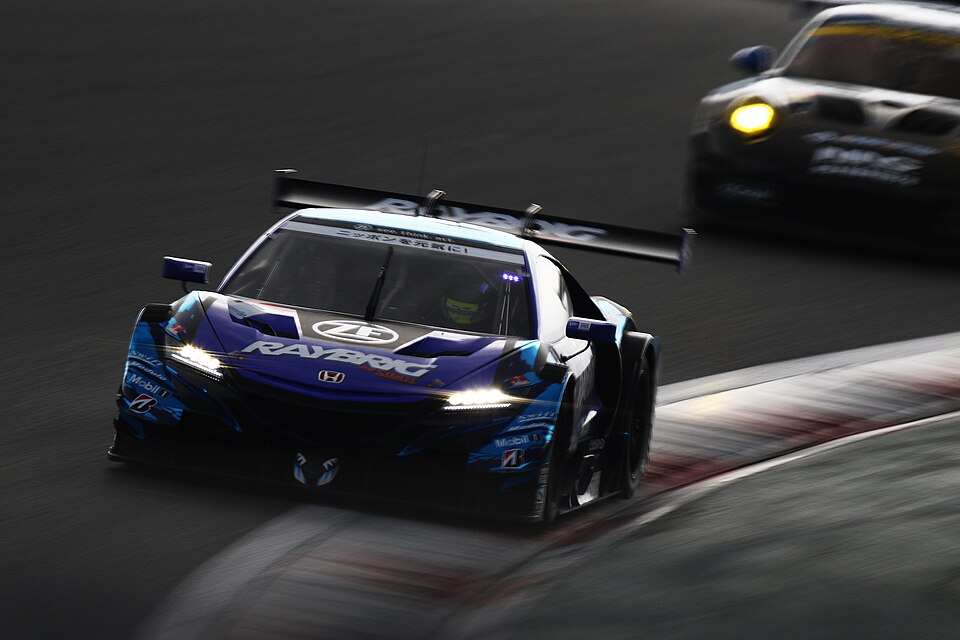
Super GT stands as Japan’s top-tier sports car racing championship, sanctioned by the Japan Automobile Federation (JAF) and managed by the GT Association (GTA). The series was founded with a clear objective: to deliver close, exciting racing that keeps fans engaged. This is achieved through strict technical regulations that control power outputs and implement weight penalties to balance performance.
The result is unpredictable competition where driver skill and team strategy often outweigh pure machine advantage. The series attracts major Japanese manufacturers and privateer teams, creating a unique blend of factory-backed professionalism and grassroots racing spirit.
From JGTC to Super GT: The 2005 Rebranding
The series originated in 1993 as the All Japan Grand Touring Car Championship (JGTC), a domestic competition that quickly became the country’s premier GT racing platform. In 2005, it was rebranded as “Super GT” to enhance its international profile and signal ambitions beyond Japan’s borders. This renaming was not merely cosmetic; it reflected a strategic shift toward global recognition and competition.
The GT Association (GTA), which manages the series under the JAF’s sanction, implemented changes to make the championship more accessible to international teams and fans while preserving its distinct Japanese character. The rebranding marked Super GT’s evolution from a national series to a globally recognized GT championship with aspirations to compete on the world stage.
Close Racing Philosophy: Power Limits and Weight Penalties
Super GT’s core identity revolves around ensuring close racing through rigorous parity measures. The series employs a multi-layered approach to balance performance and prevent any single car or team from dominating. Key mechanisms include:
- Power limits: Strict caps on engine output to prevent manufacturer wars from creating performance spreads.
- Weight penalties: Additional ballast added to winning cars or faster models to level the field.
- Balance of Performance (BoP) adjustments: Ongoing technical tweaks to fuel capacity, ride height, and aerodynamics.
These regulations create a competitive environment where race outcomes are uncertain until the checkered flag. The philosophy prioritizes fan enjoyment and entertainment value, making Super GT known for its door-to-door racing and frequent overtaking—a stark contrast to series where qualifying position often dictates the final result, illustrating how racing knowledge enhances fan experience.
Super GT’s Two-Class System: GT500 vs GT300 Compared
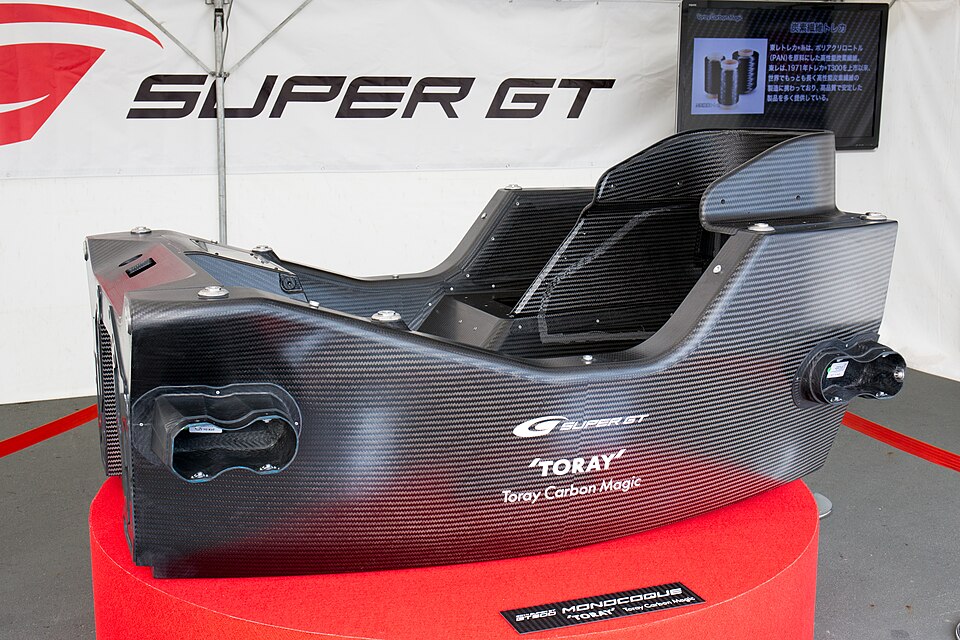
A defining feature of Super GT is its two-class structure, which runs combined on the same track but competes for separate class victories. The GT500 class represents the premier category with cutting-edge, manufacturer-developed prototypes that bear only a superficial resemblance to road cars. Below it, GT300 offers a more diverse and cost-effective category that mixes international specification cars with uniquely Japanese machinery.
This dual-class format creates dynamic racing where faster GT500 cars navigate through slower GT300 traffic—a tactical challenge that adds strategic depth and visual excitement for spectators. The 2026 grid demonstrates the health of both classes, with a nearly 2:1 ratio favoring GT300 entries.
GT500: Factory-Backed Toyota, Nissan, and Honda with 2026 Models
GT500 is the flagship class, featuring factory-supported teams from Japan’s three major automakers. The cars are based on current production models but are heavily modified into purpose-built racing prototypes with advanced aerodynamics, hybrid systems (since 2020), and over 500 horsepower. For the 2026 season, the manufacturer lineups include:
| Manufacturer | 2026 Car Model |
|---|---|
| Toyota | GR Supra GT500 |
| Nissan | Z NISMO GT500 |
| Honda | HRC Prelude GT |
These entries represent the pinnacle of Japanese GT racing technology, with each manufacturer investing heavily in development and racing knowledge and technology integration. The class uses standardized chassis and hybrid systems to control costs, while still allowing for aerodynamic and mechanical differentiation that defines each brand’s racing identity.
GT300: FIA GT3, JAF-GT, and Mother Chassis Diversity
GT300 serves as a more accessible and technically varied category. It encompasses three distinct types of machinery:
- FIA GT3 cars: International specification models from manufacturers like Mercedes-AMG, Porsche, and Lamborghini, popular with privateer teams.
- JAF-GT machines: Japan-specific grand touring cars that often use production-based bodies with extensive modifications.
- Mother Chassis (MC): A unique formula using standardized tubs and engines but with different bodywork, designed to keep costs down while allowing creative styling.
This diversity creates a fascinating mix where a Toyota 86 MC might race alongside a Ferrari 488 GT3 and a Nissan GT-R NISMO GT3. The class acts as a development ground for younger drivers and smaller teams, providing a pathway to build racing knowledge for junior drivers while still offering professional-level competition. The variety ensures that GT300 races are often just as competitive and unpredictable as GT500.
2026 Grid Breakdown: 14 GT500 and 29 GT300 Cars
The 2026 season will feature a full grid of 43 cars, split into 14 GT500 entries and 29 GT300 entries. This breakdown reflects a healthy balance: GT500 maintains its exclusive, manufacturer-focused nature with a limited number of top-tier machines, while GT300’s larger field accommodates a wider range of teams and car types. The total grid size demonstrates the series’ growth and its ability to attract a complete entry list without needing to limit applications.
For fans, this means consistently full fields that enhance the racing spectacle and provide more opportunities for close battles across both classes. The numbers also indicate that GT300 remains a vital entry point for professional and semi-professional teams in Japanese motorsport.
2026 Super GT Season: Calendar, Circuits, and International Reach

The 2026 calendar showcases Super GT’s commitment to both tradition and expansion. With 8 rounds at 7 venues, the series maintains its core Japanese circuit base while strategically incorporating an overseas event. Fuji Speedway, the series’ spiritual home, hosts two rounds—a testament to its importance.
The inclusion of Sepang International Circuit in Malaysia marks a significant step in Super GT’s internationalization, aligning with the 2005 rebranding goal of global recognition. This calendar structure provides a varied challenge: from the high-speed banking of Fuji to the technical twists of Suzuka and the tropical conditions of Sepang. Each venue offers distinct characteristics that test different aspects of car setup and driver skill.
2026 Calendar: 8 Rounds at 7 Venues Including Sepang Malaysia
The 2026 season schedule is set to include 8 races across 7 different circuits, with Fuji Speedway hosting the season opener and a second event later in the year. The overseas round at Sepang International Circuit represents the series’ continued push into Southeast Asian markets.
The calendar typically runs from spring through autumn, avoiding Japan’s typhoon season while maximizing favorable weather conditions. The eight-round structure provides enough races for a meaningful championship without overextending teams, a balance that has contributed to the series’ sustainability.
| Round | Venue | Location |
|---|---|---|
| 1 | Fuji Speedway | Japan |
| 2 | Okayama International Circuit | Japan |
| 3 | Suzuka Circuit | Japan |
| 4 | Sportsland SUGO | Japan |
| 5 | Autopolis | Japan |
| 6 | Mobility Resort Motegi | Japan |
| 7 | Fuji Speedway | Japan |
| 8 | Sepang International Circuit | Malaysia |
Iconic Japanese Circuits: Fuji, Suzuka, and the Full Venue List
Super GT visits some of Japan’s most historic and challenging circuits:
- Fuji Speedway: Famous for its high-speed banking and the 24-hour endurance race, it’s Super GT’s flagship venue.
- Suzuka Circuit: Known for its iconic figure-8 layout and the demanding “S” curves, a favorite among drivers and fans.
- Okayama International Circuit: A technical track with elevation changes that tests car mechanical grip.
- Sportsland SUGO: A scenic circuit with a mix of fast sweepers and tight corners.
- Autopolis: A modern facility with a long main straight and challenging corners.
- Mobility Resort Motegi: Features a unique oval-road course combination and advanced facilities.
- Sepang International Circuit: The Malaysian venue adds international flavor with its tropical climate and high-humidity conditions.
These circuits are staples of Japanese racing, each offering unique characteristics that contribute to the series’ competitive diversity.
International Expansion: The Strategic Importance of Sepang
The Sepang International Circuit round is more than just an overseas event; it’s a strategic pillar of Super GT’s global ambitions. Since the 2005 rebranding aimed at international recognition, racing outside Japan has been a key objective. The Malaysian round expands the series’ reach into Southeast Asia, tapping into a large motorsport fanbase and attracting new sponsors from the region.
It also presents unique challenges: tropical heat and humidity affect tire wear and engine cooling, while the circuit’s long straights and sweeping corners demand different car setups than Japanese tracks. For teams and manufacturers, Sepang offers exposure to international media and potential future markets. This overseas race demonstrates that Super GT is not content to be merely a domestic championship—it actively seeks to build a global footprint while maintaining its Japanese core identity.
The most surprising aspect is how Super GT balances manufacturer involvement with strict parity measures—power limits and weight penalties—to ensure close racing, a model that could influence world racing. This approach keeps outcomes unpredictable and fans engaged. For those wanting to experience it, the 2026 season’s Sepang round offers an accessible international venue.
Action step: Visit the official Super GT website for ticket information and broadcast schedules for the Sepang race. Additionally, explore world racing for broader insights into international motorsport series and their unique characteristics.
